
Sensitile Sample Kit
My role:
Industrial Designer
My responsibilities:
Pattern exploration, custom CAD, mold and jig design, and production optimization
Project Overview
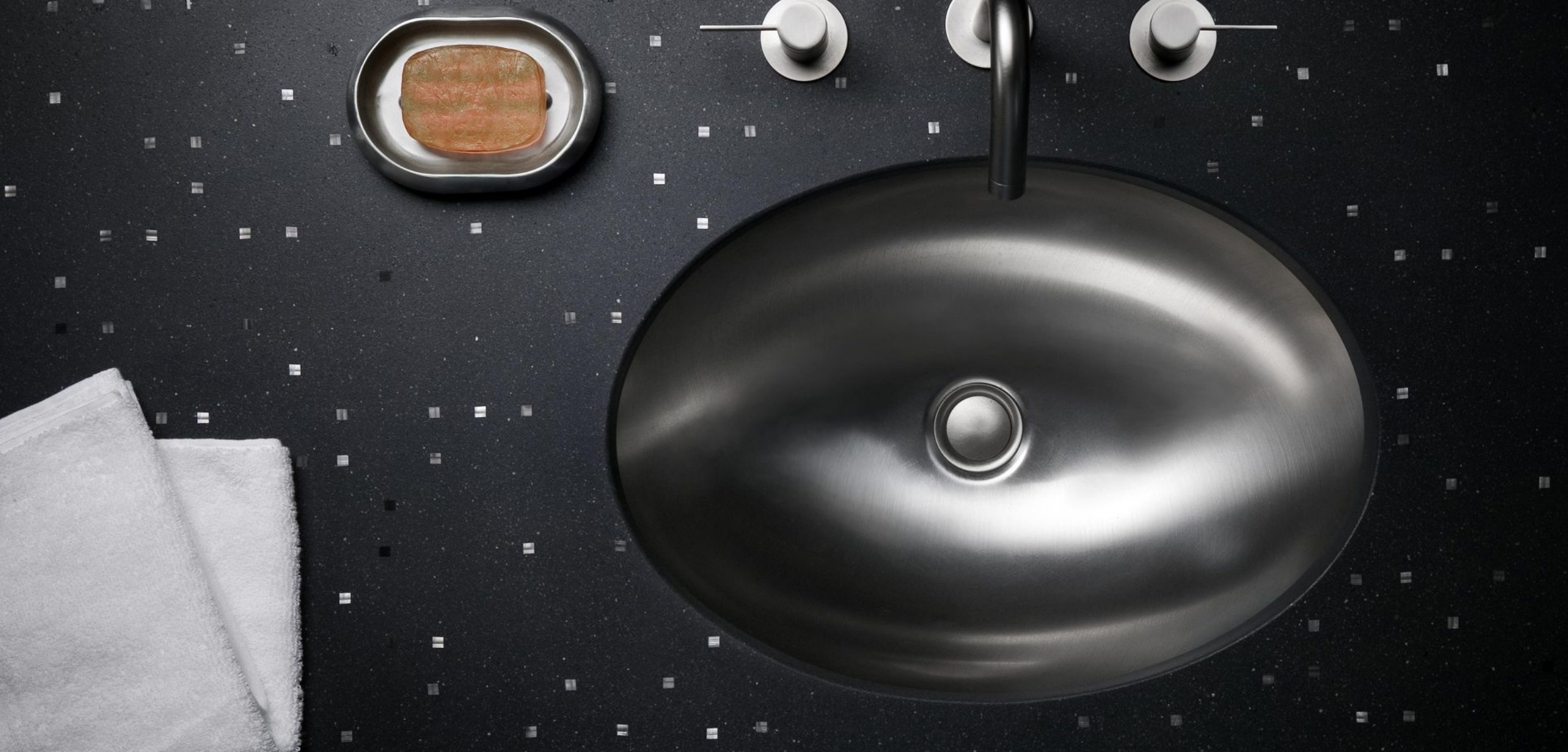
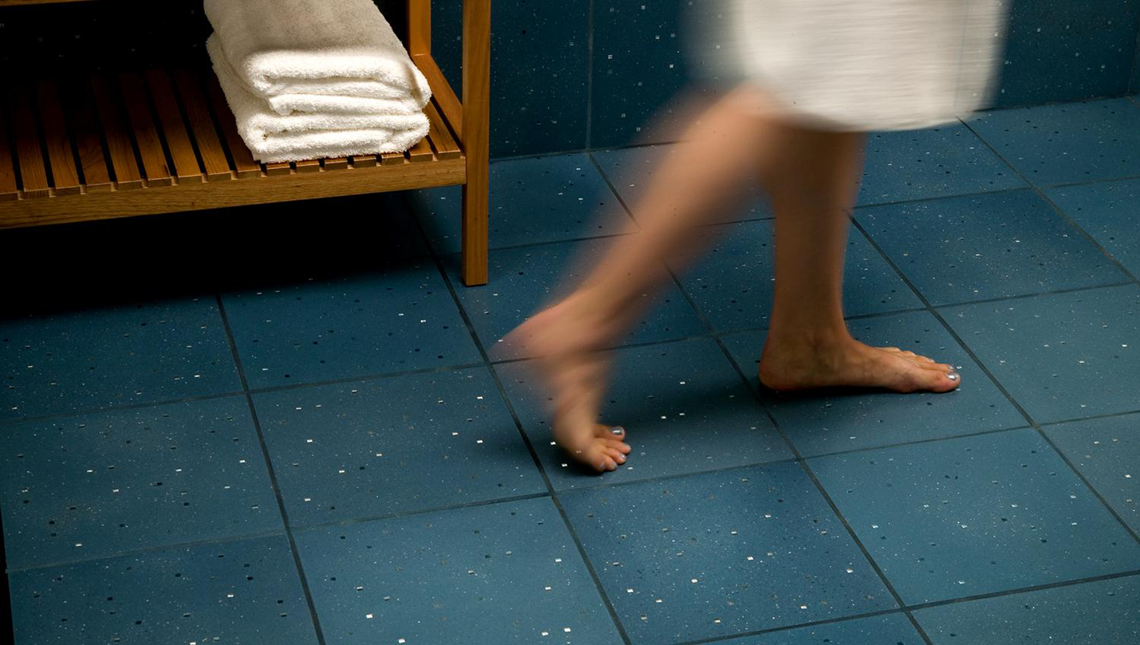
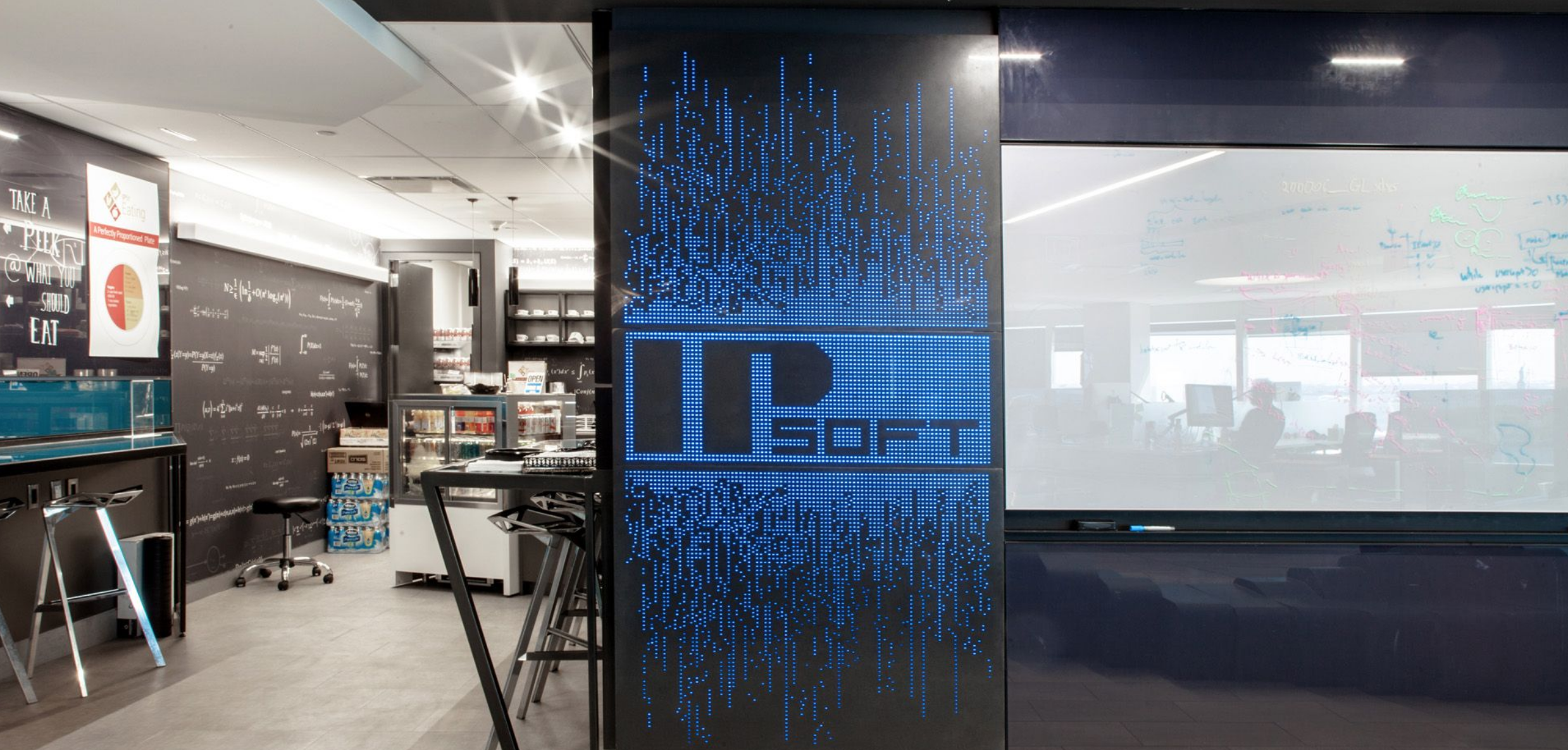
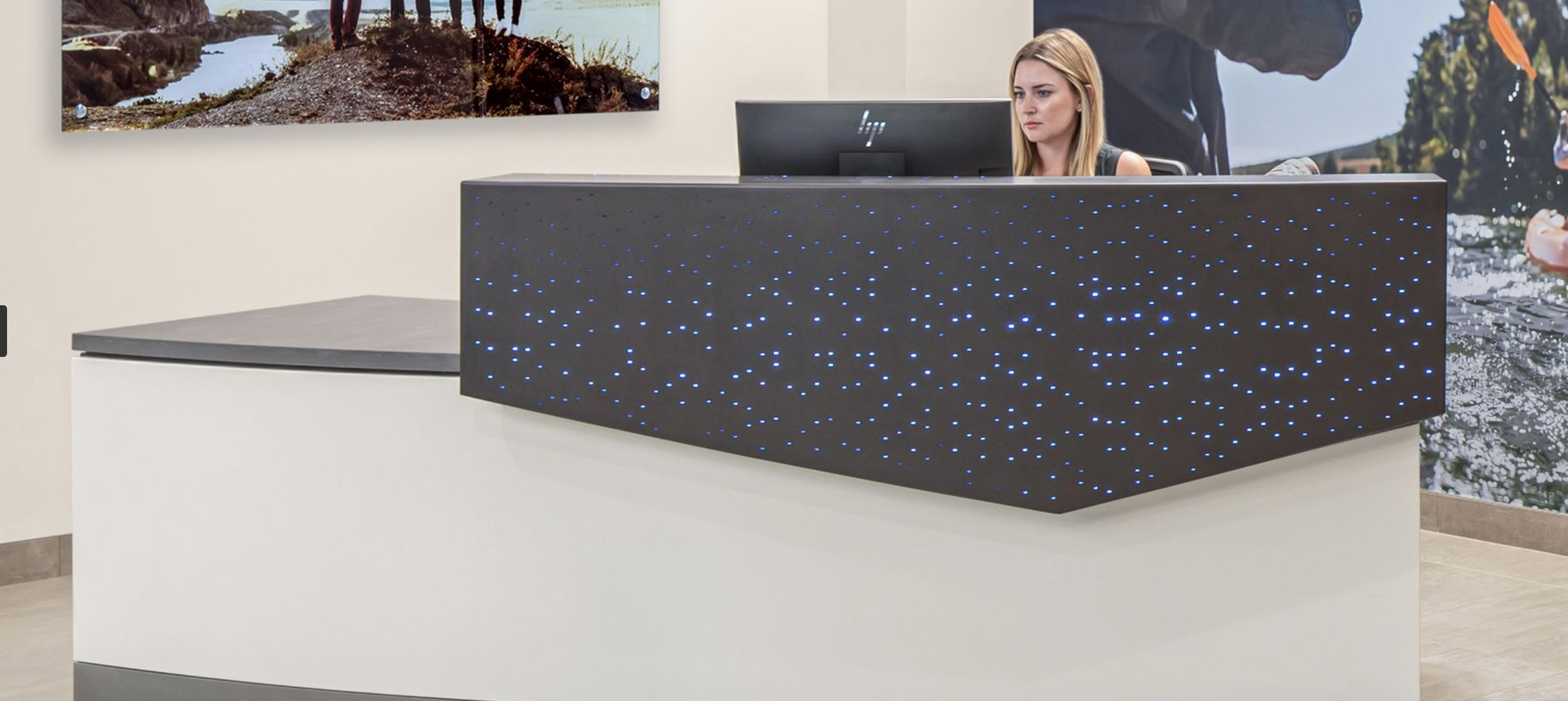
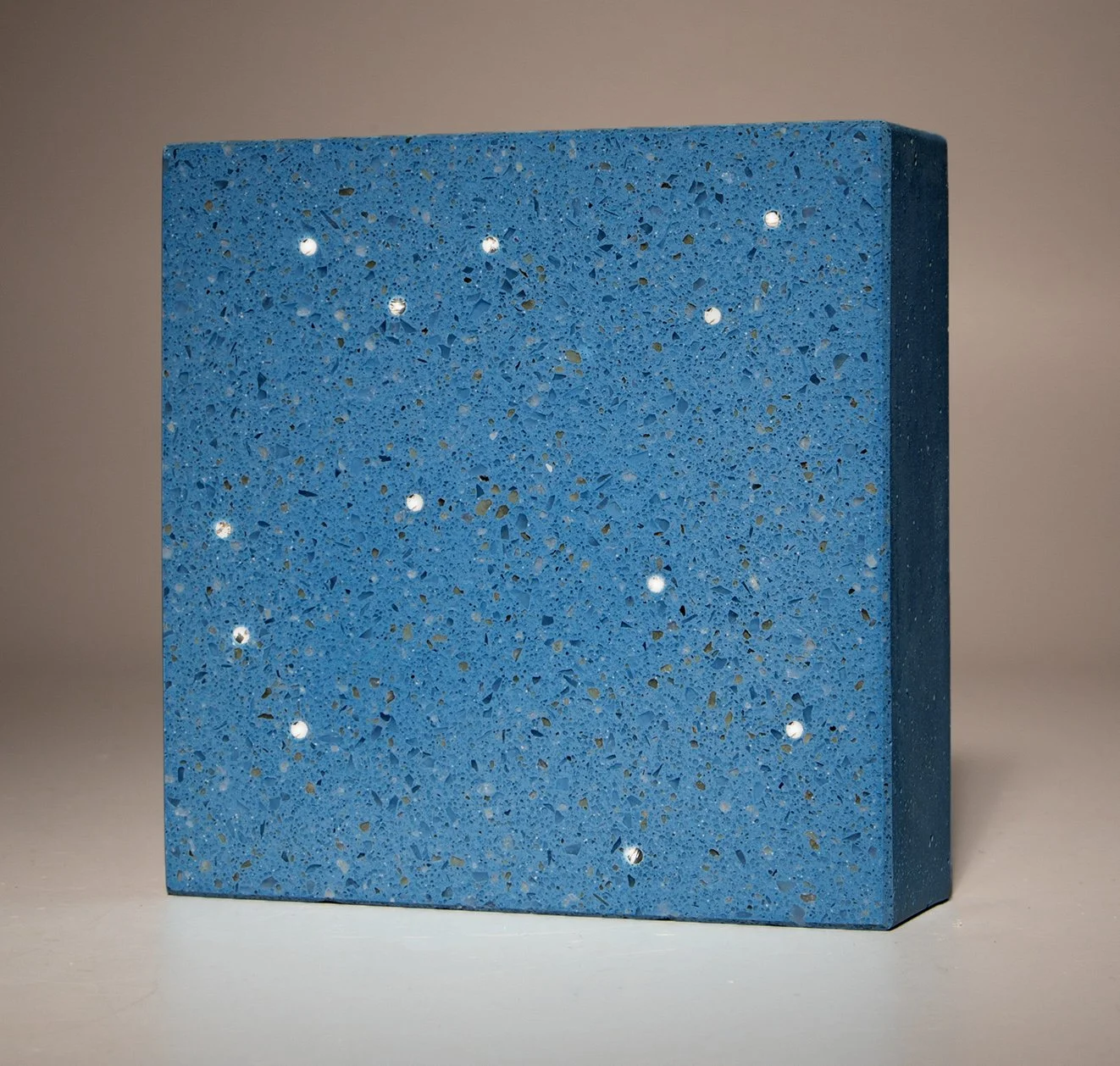
Sensitile Systems offers a light-conducting terrazzo material in which embedded channels create a dynamic, shimmering surface.
The company asked me to design a kit of representative samples to streamline how they showcase their product’s range, performance, and application to prospective clients.
Problem
Existing terrazzo samples at Sensitile were offcuts of production runs that required labor-intensive hand finishing, with results varying in size and quality.
Irregular shapes created logistical difficulties while packaging and shipping, while available samples rarely represented the diversity of Sensitile’s offerings.
Opportunity
How might we...
Help clients understand the range and capabilities of the terrazzo products through a tactile sampling experience?
For architectural vendors, the ability to send high-quality samples is critical to securing contracts, yet can be a considerable expense.
Key Objectives
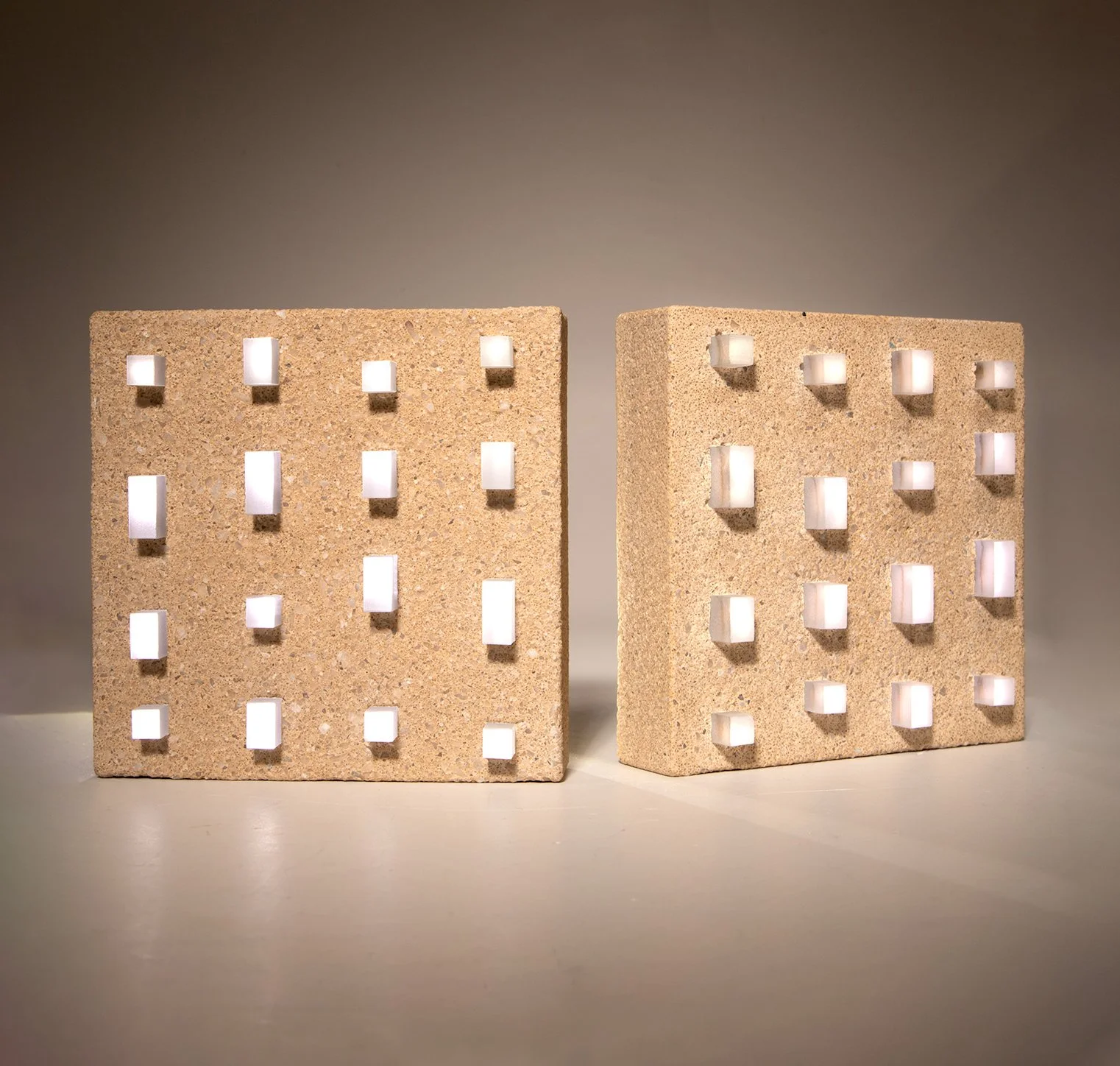
Design a a curated selection of 8 samples based on hundreds of possible product configurations.
Design manufacturing process; produce molds, jigs, and CAD files for easy reproduction of tiles as needed.
Solution
A sample kit designed not only for aesthetic appeal but also efficient manufacturability successfully minimized costs while maximizing the impact of every client interaction.
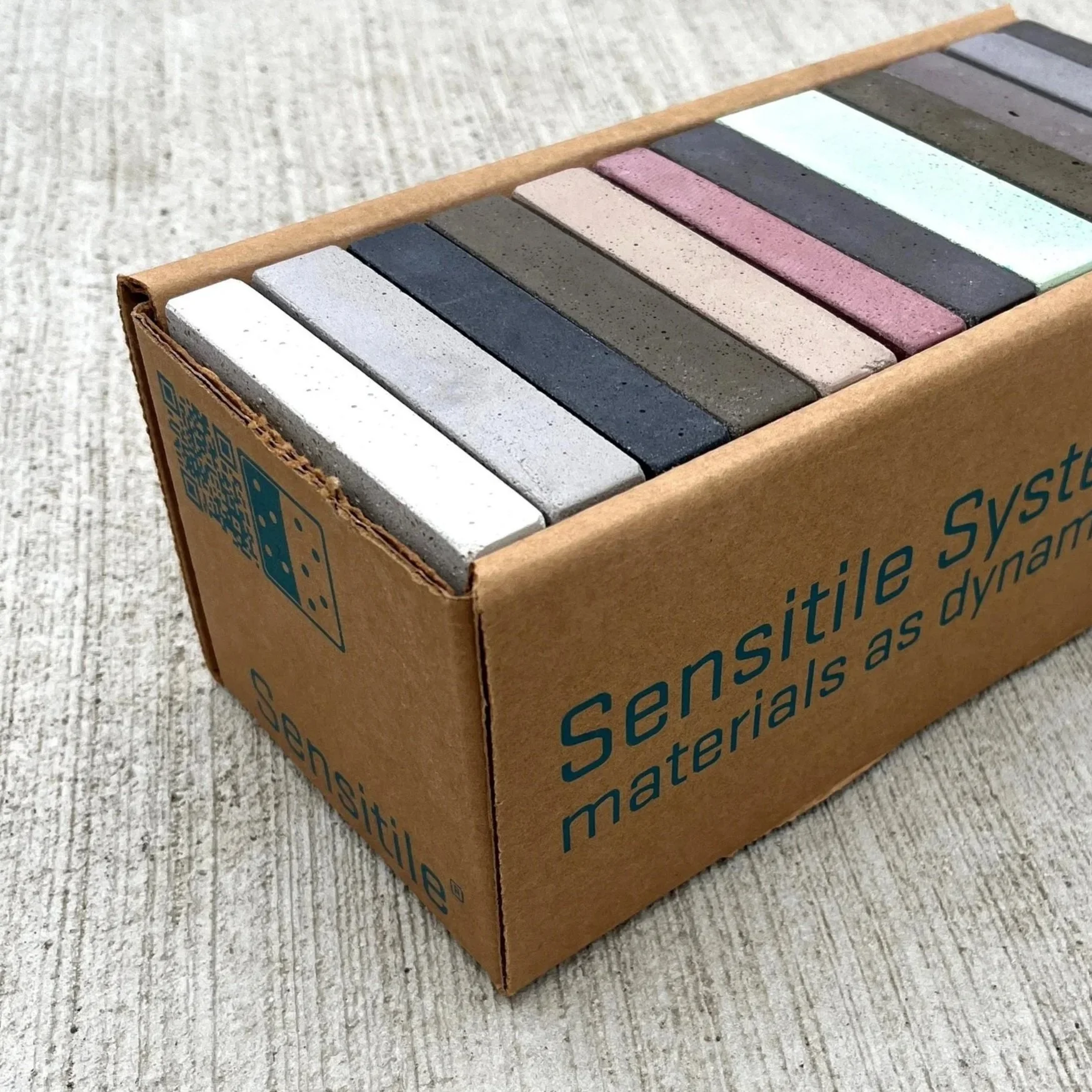
The samples fit snugly in a 4” x 4” x 10” box for easy shipment, while production aligned with the workflow for slabs so samples could be created in tandem.
Possible Product Configurations
Sensitile Systems offers three product families within their terrazzo material.
Sensitile Terrazzo: shimmers and twinkles in response to shadows passing over the surface.
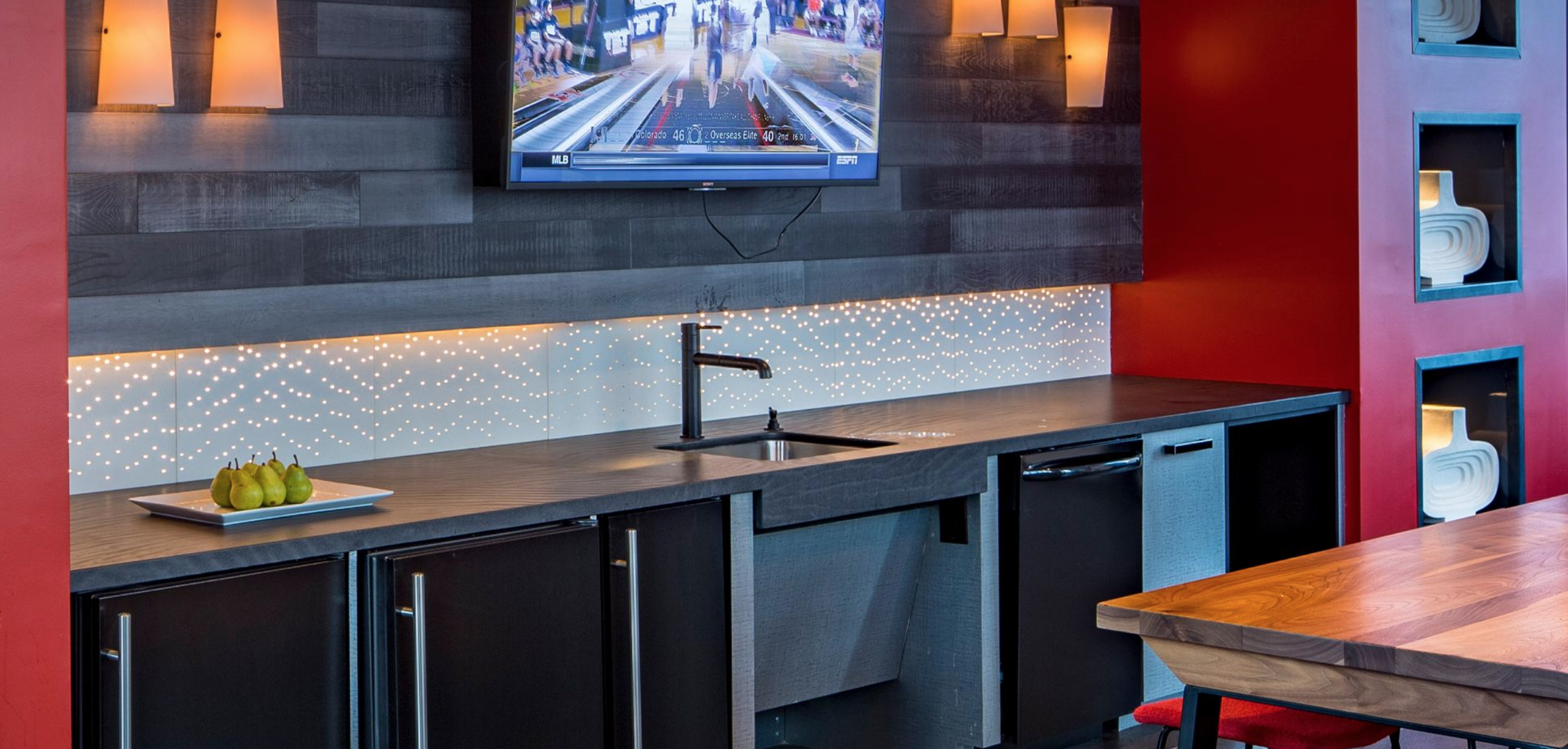
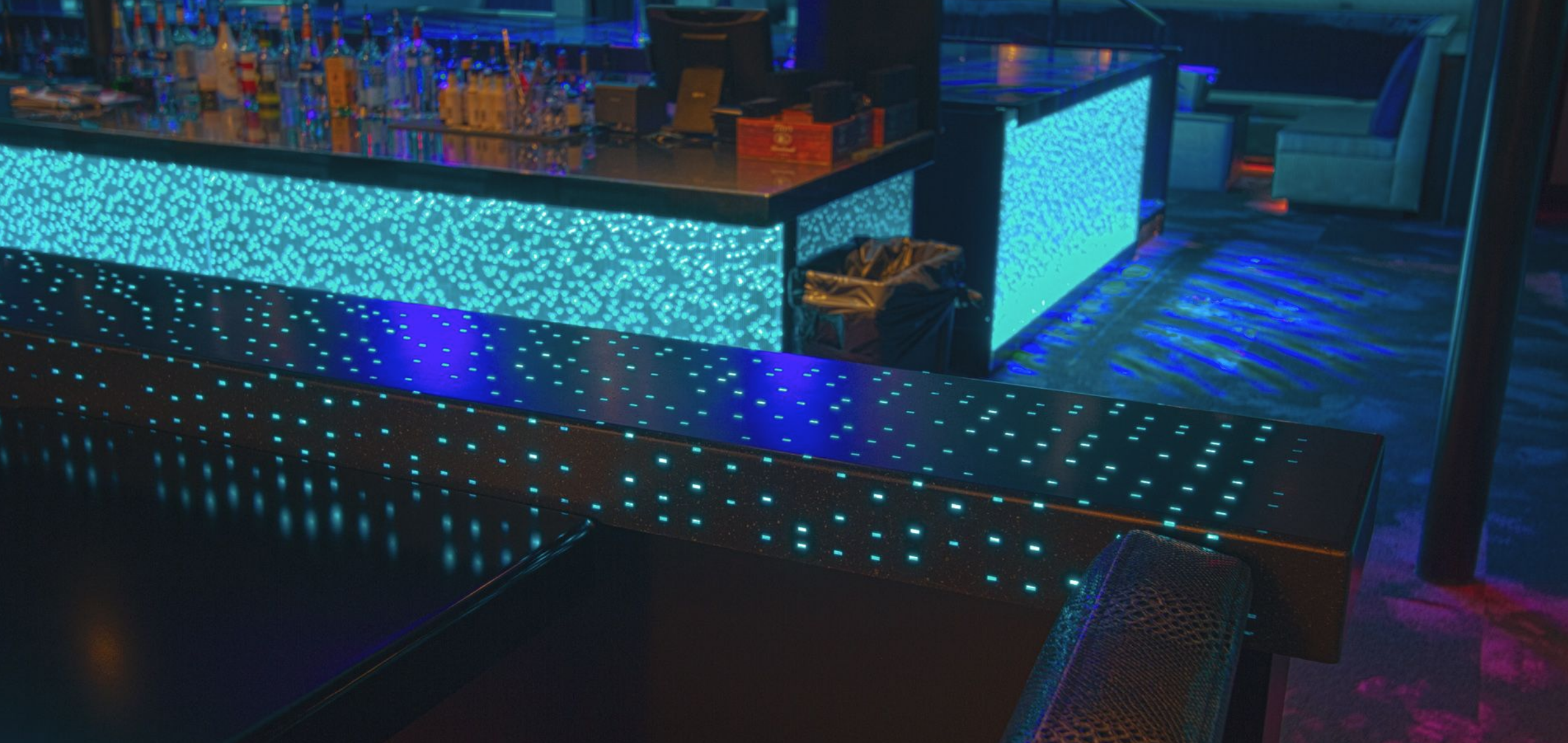
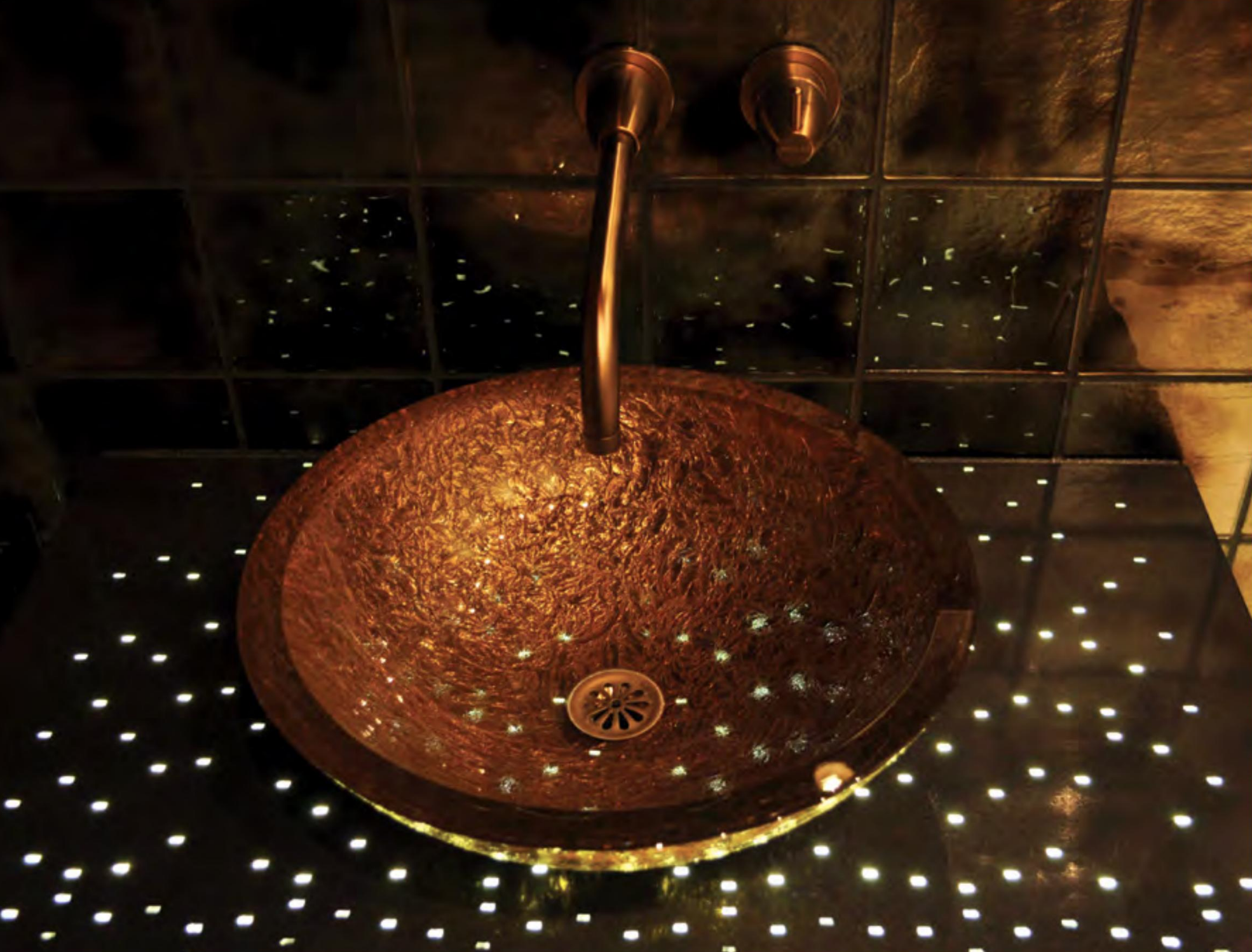
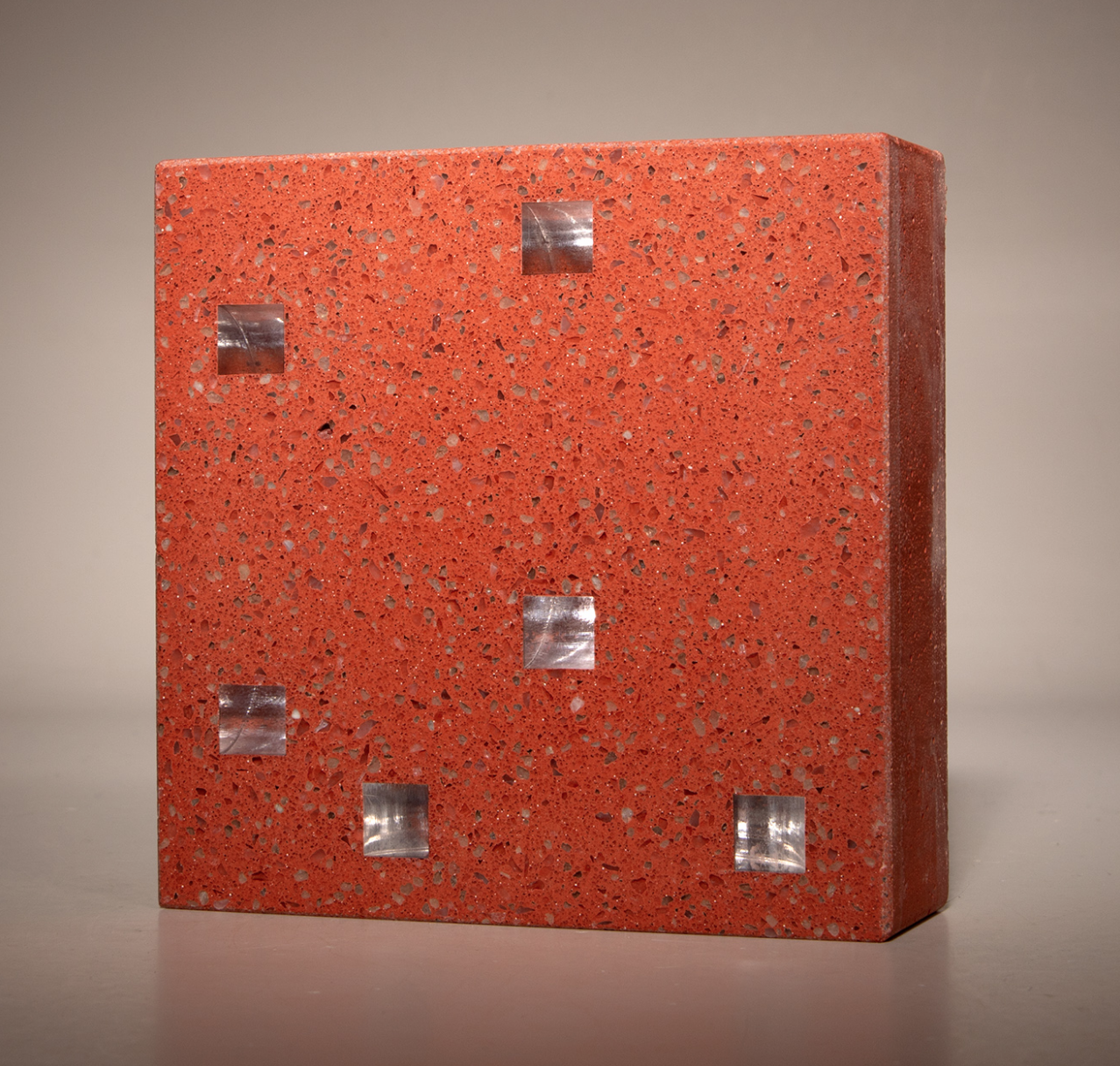
Terrazzo Lumina: LED conducting channels embedded in the concrete can be lit constantly or in dynamic sequence.
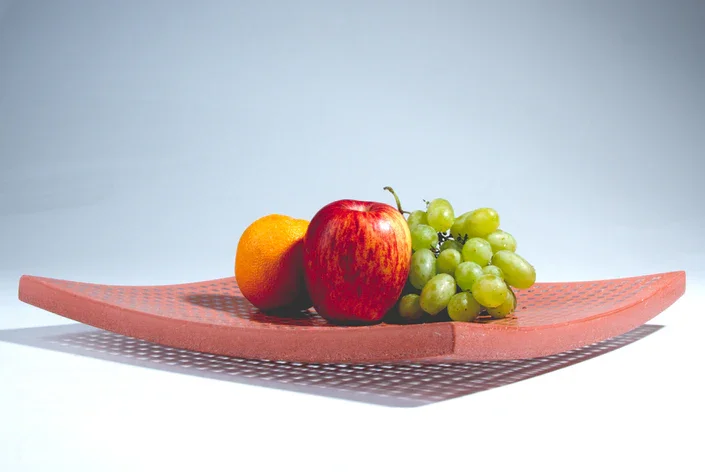
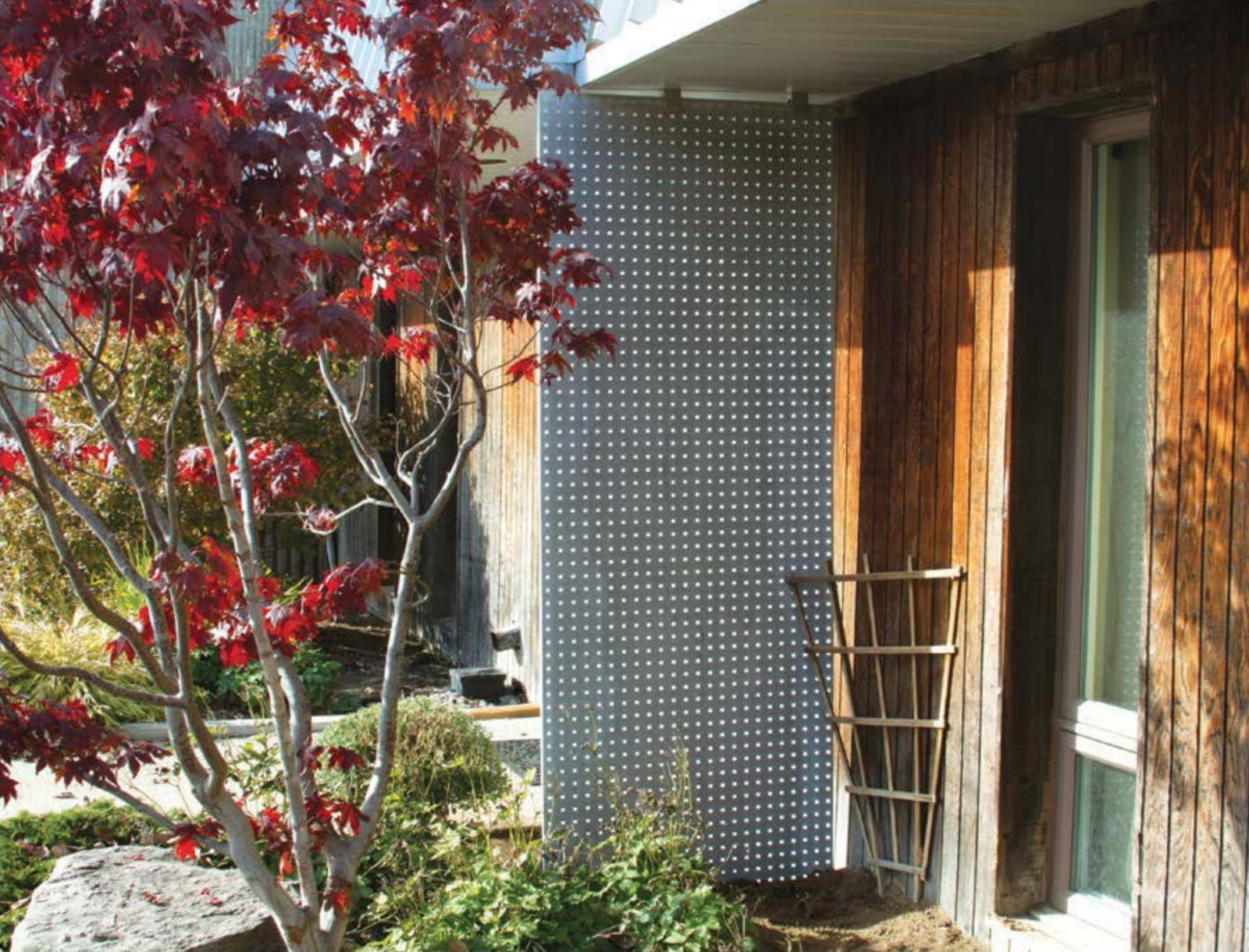
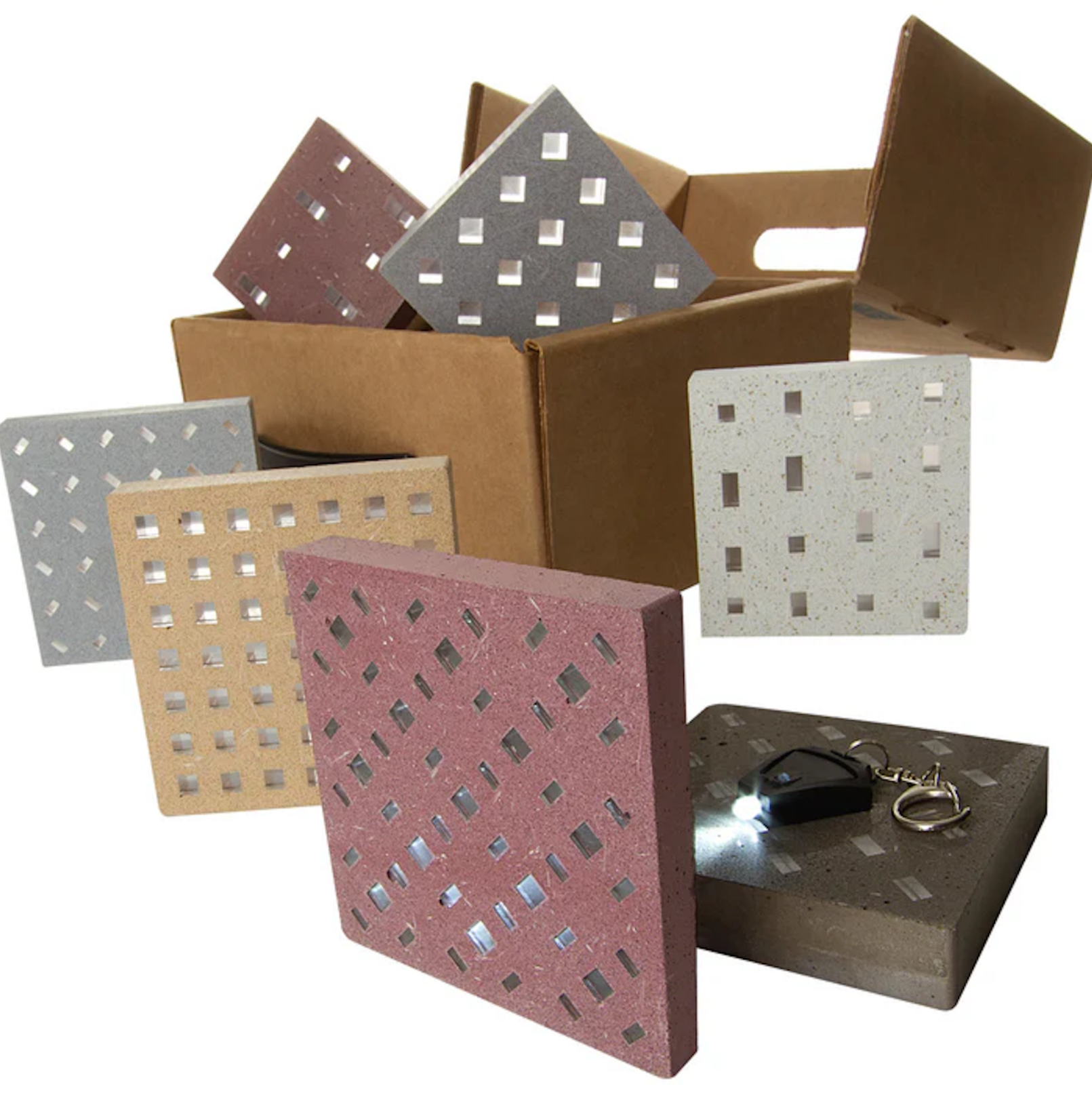
PIXA: punctuated with channels that turn the terrazzo into a light filtering screen.
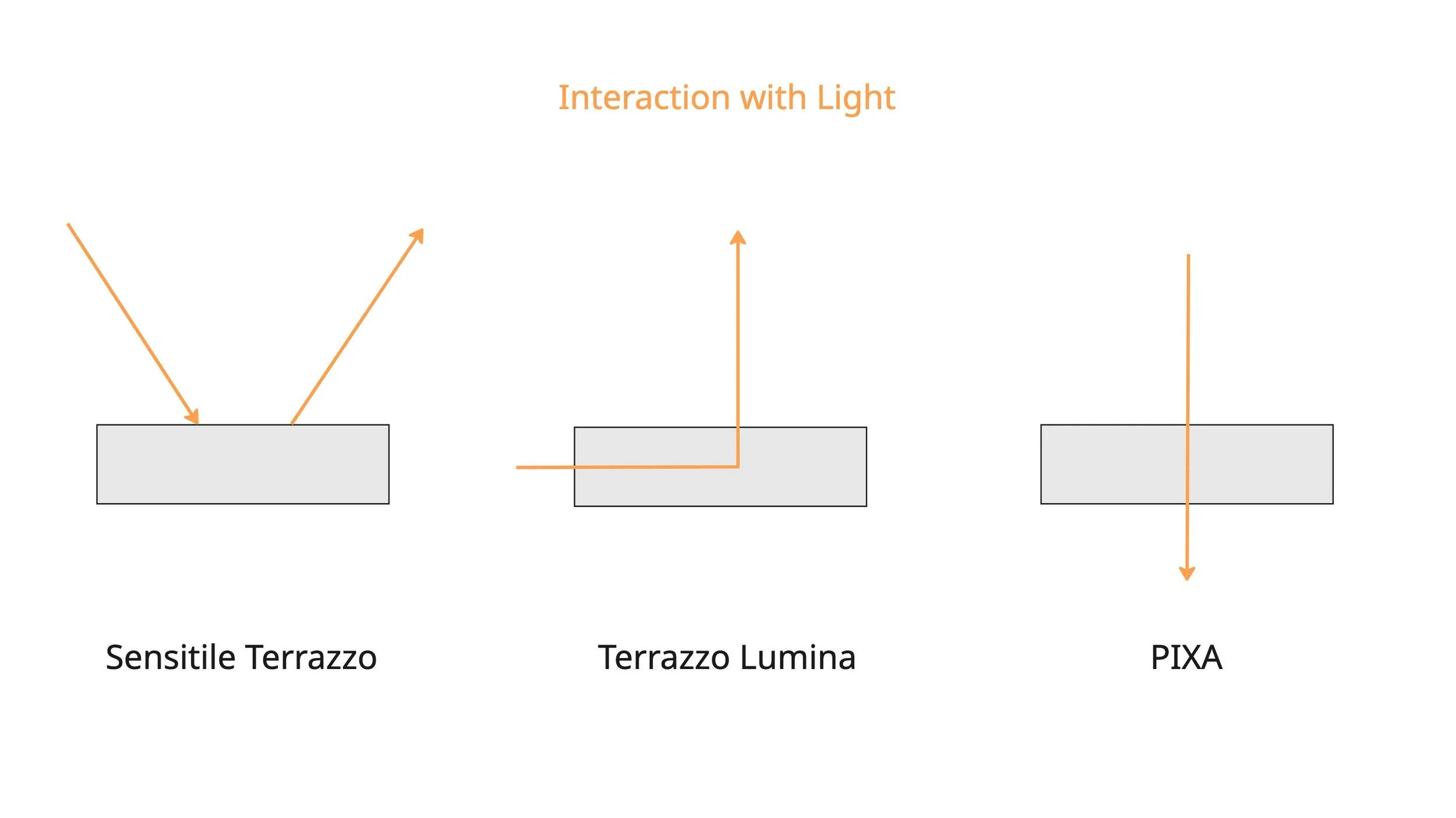
Within each family, clients can specify tile thickness, terminal patterns, terminal shape, and terminal sizes.
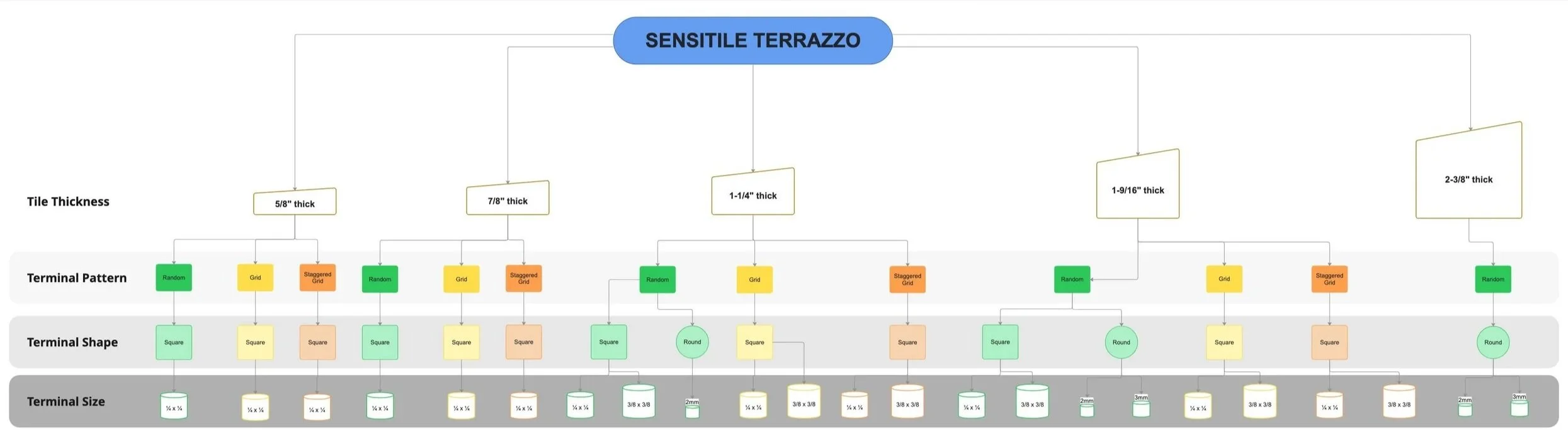
I mapped out the possible combinations for each of the three terrazzo families in order to identify which could best represent the breadth of possibilities.

Overall, I calculated 174 unique terrazzo configurations.
Multiplied by 54 available colors, each with or without aggregate, there are 18,792 possible specifications.
Prototyping
I created cardboard prototypes to test terminal configurations and presented my designs to the business owners.
The thickness of cardboard was perfect to simulate the minimum border needed between the acrylic terminals and the tile edges.
Design for Manufacturing
Tile models were drafted in AutoCAD for CNC routing.
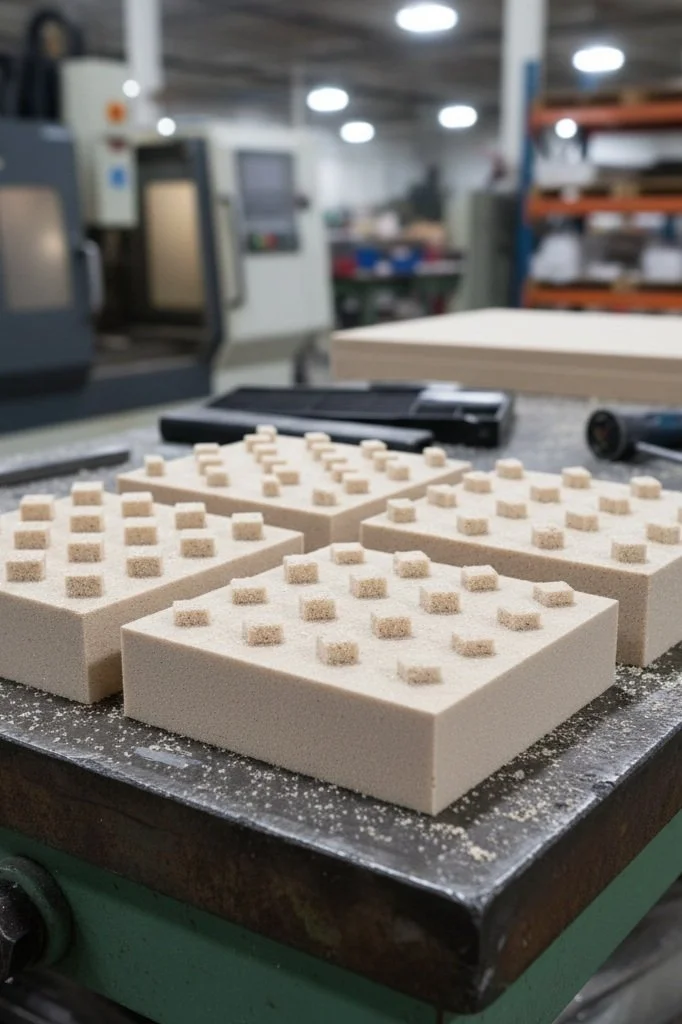
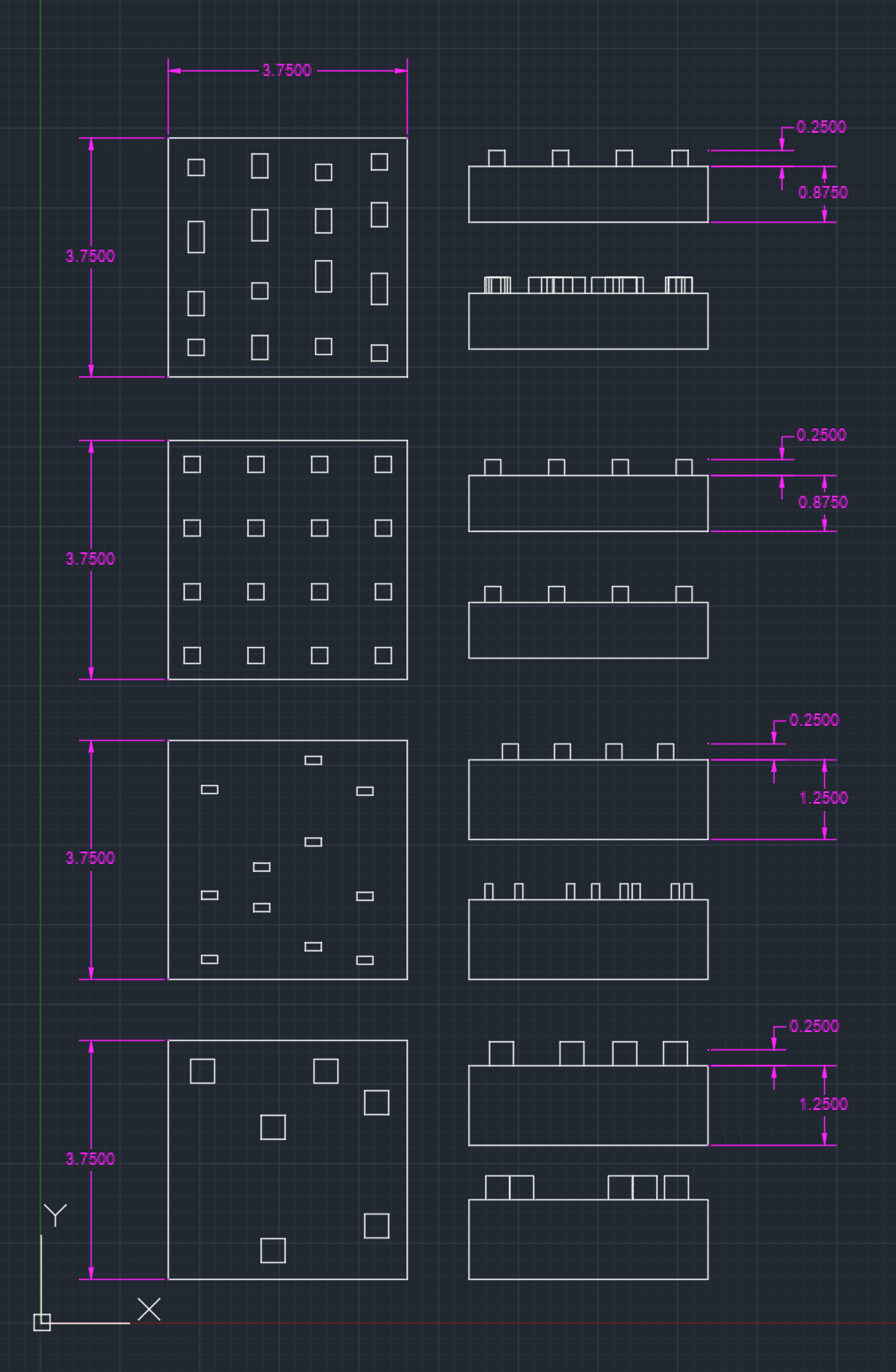
Models were then routed from high-density foam and molded with urethane rubber for cement casting.
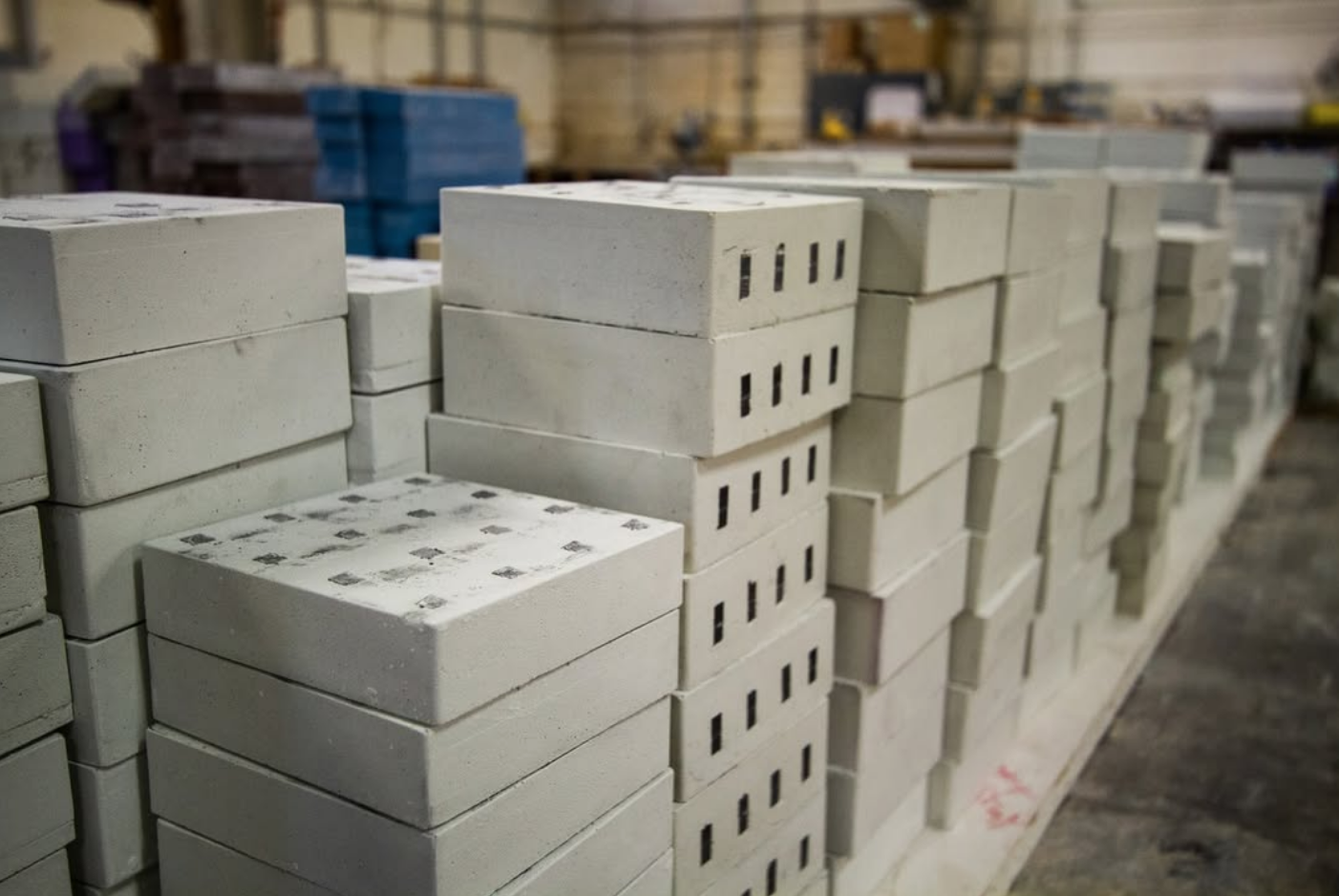
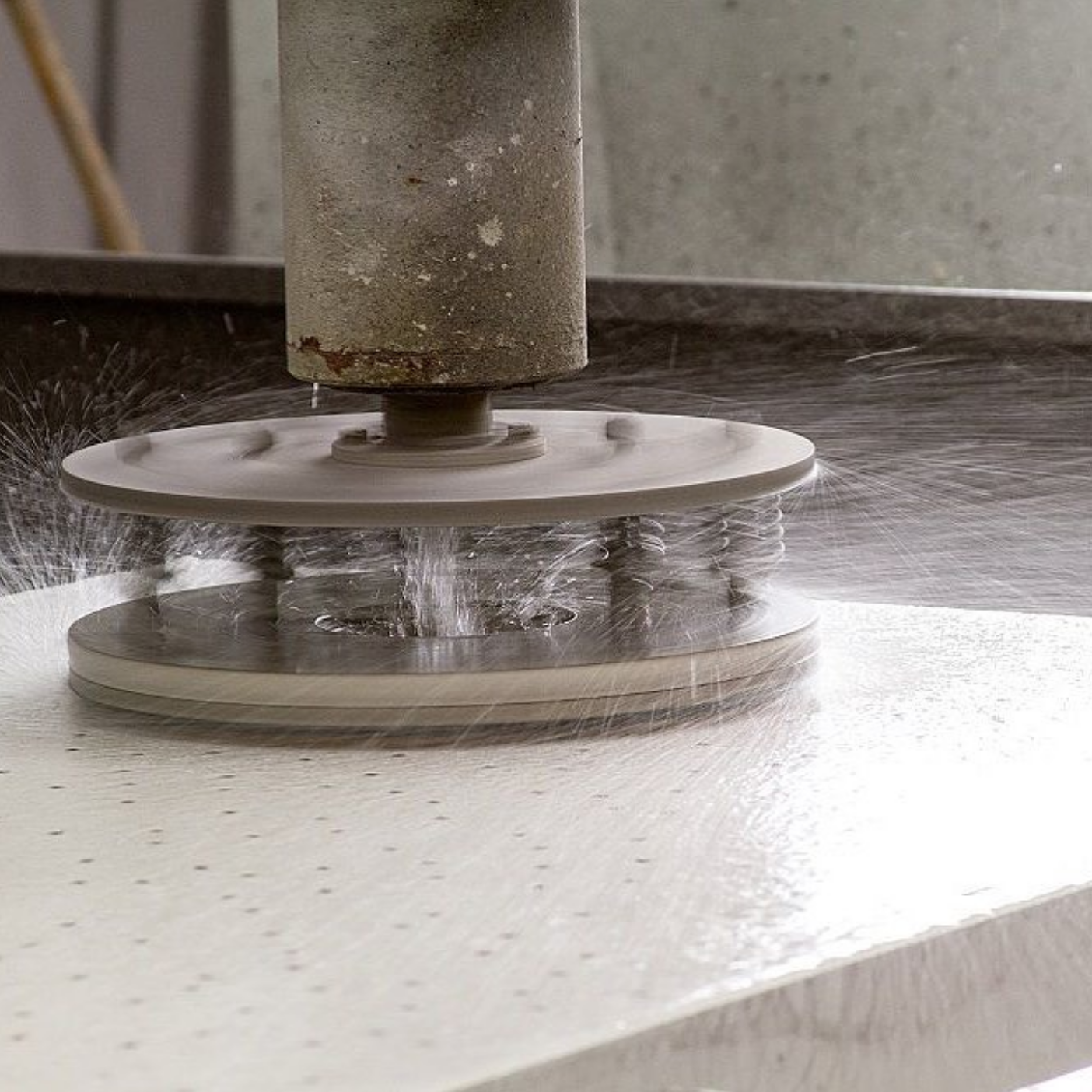
Molds and jigs were designed to be compatible with existing manufacturing equipment, allowing batch production at no additional overhead.
CMF Design
An early kit design featured some vibrant samples to demonstrate the range of possible colors, but user feedback indicated earth tones were the most desired.
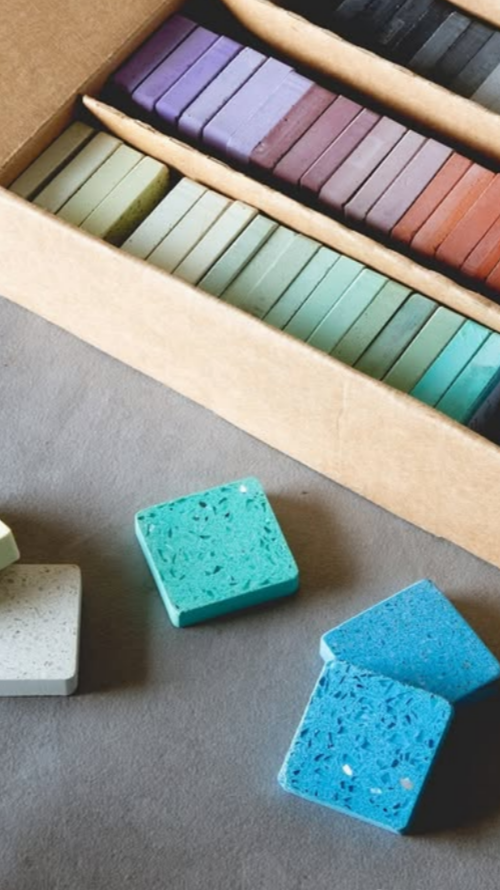
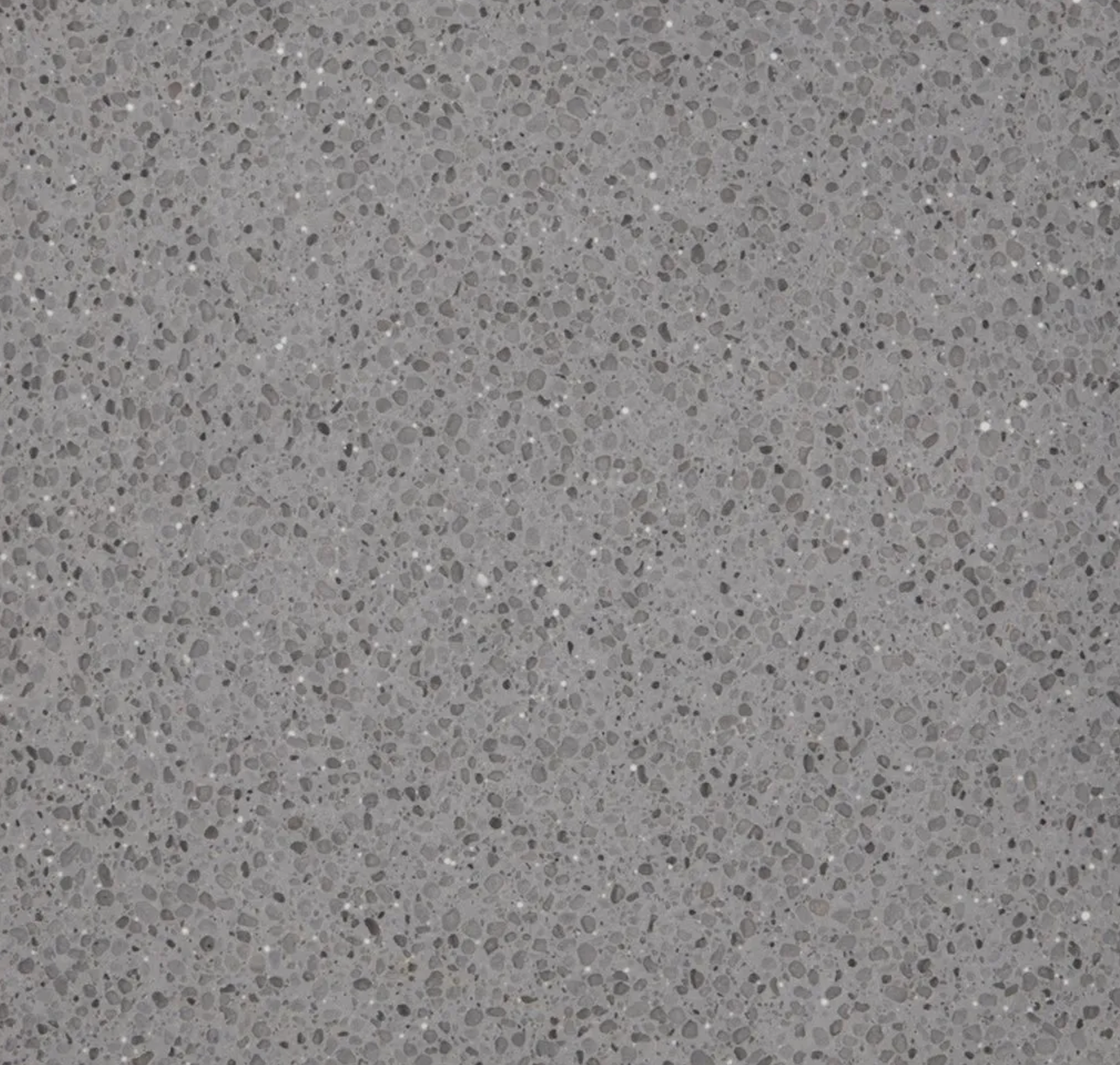
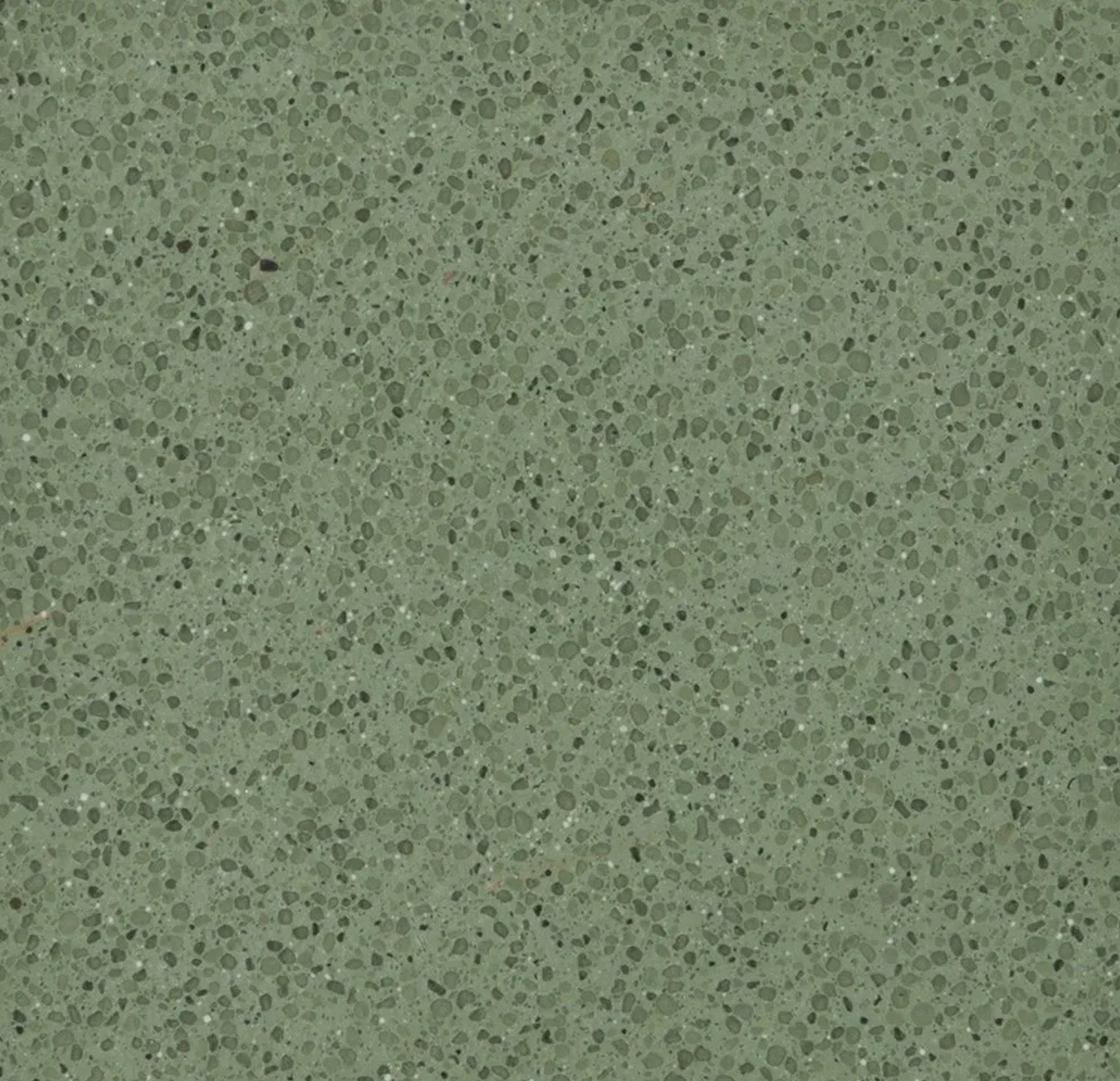
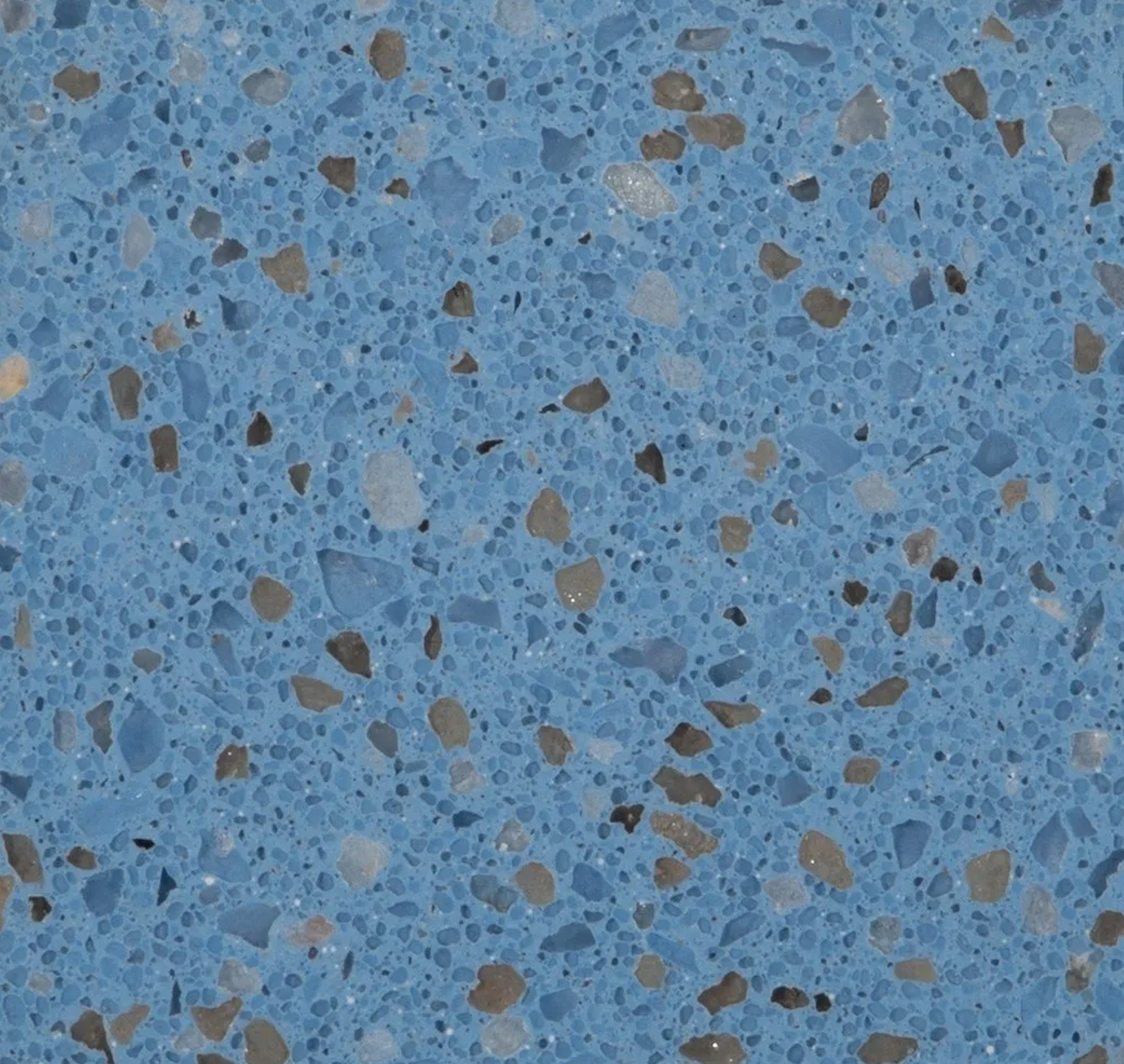
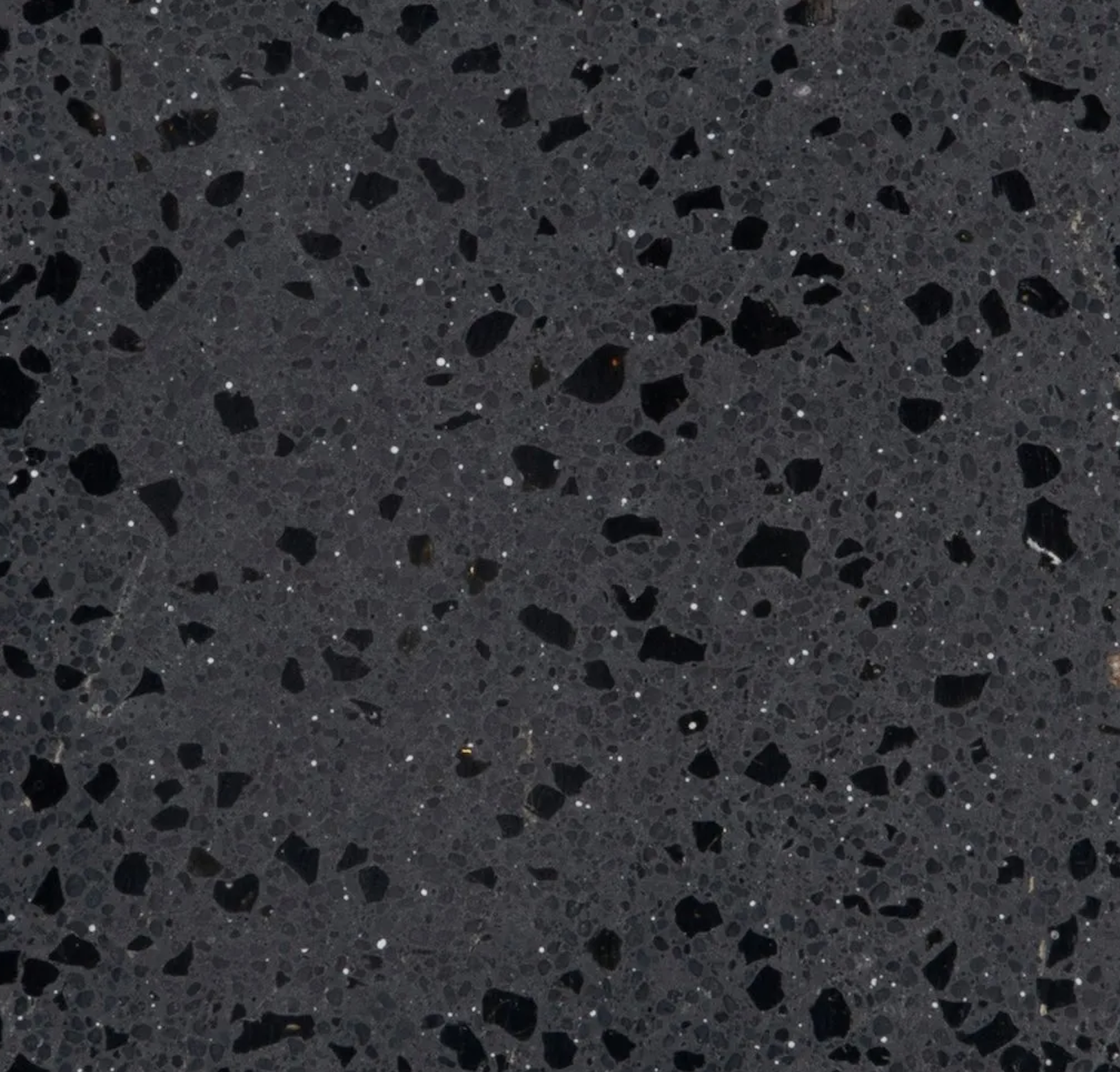
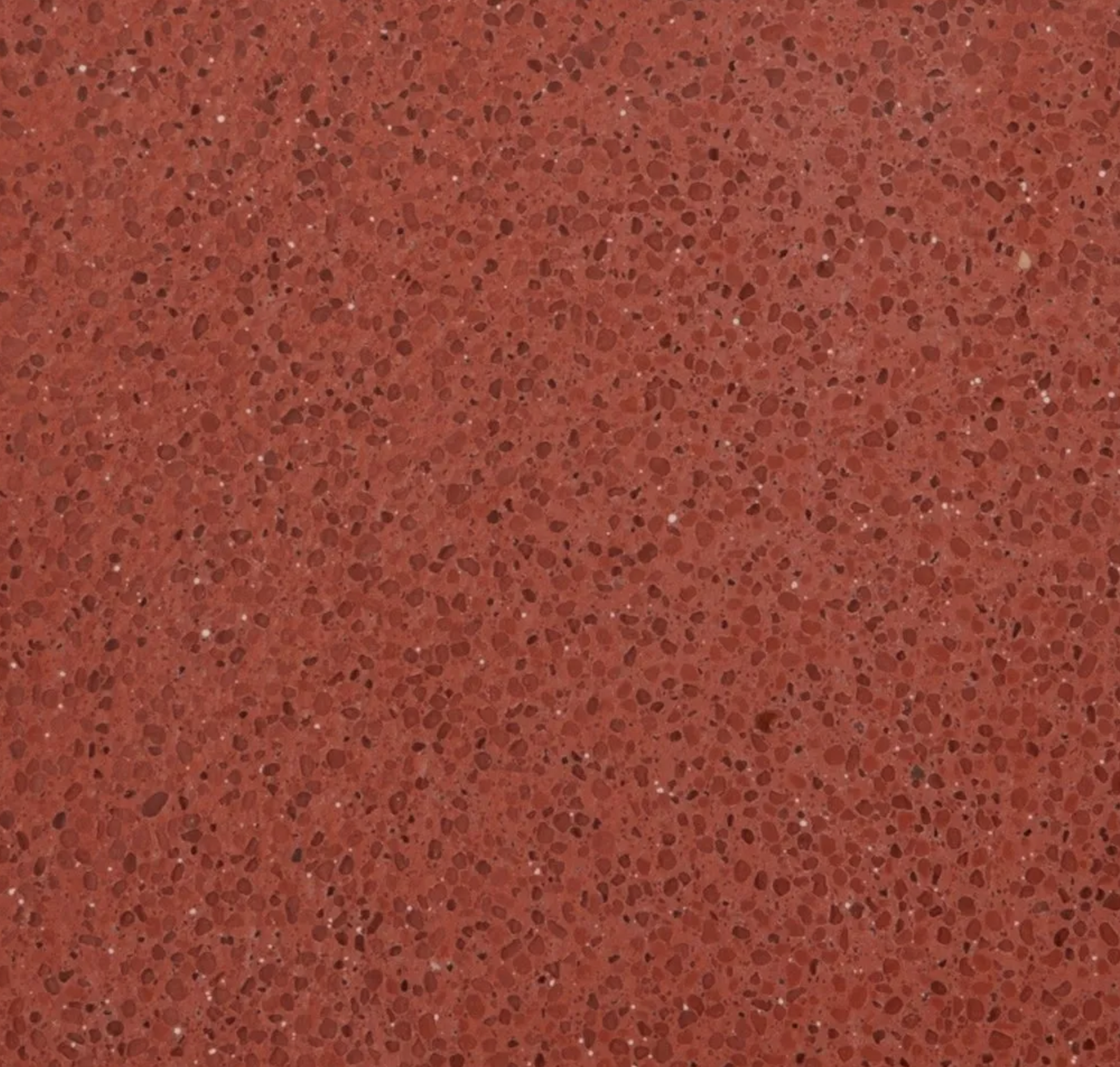
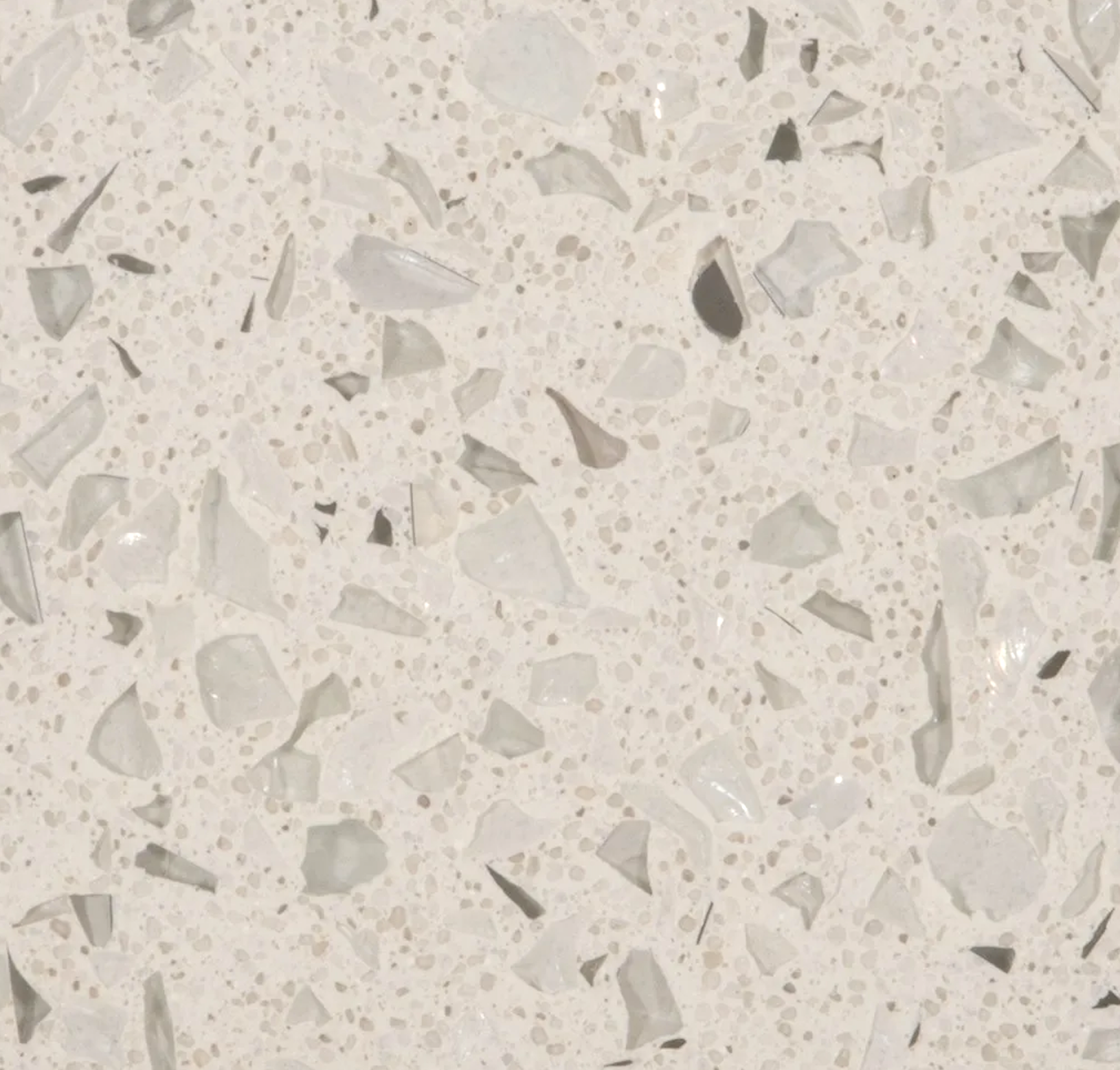
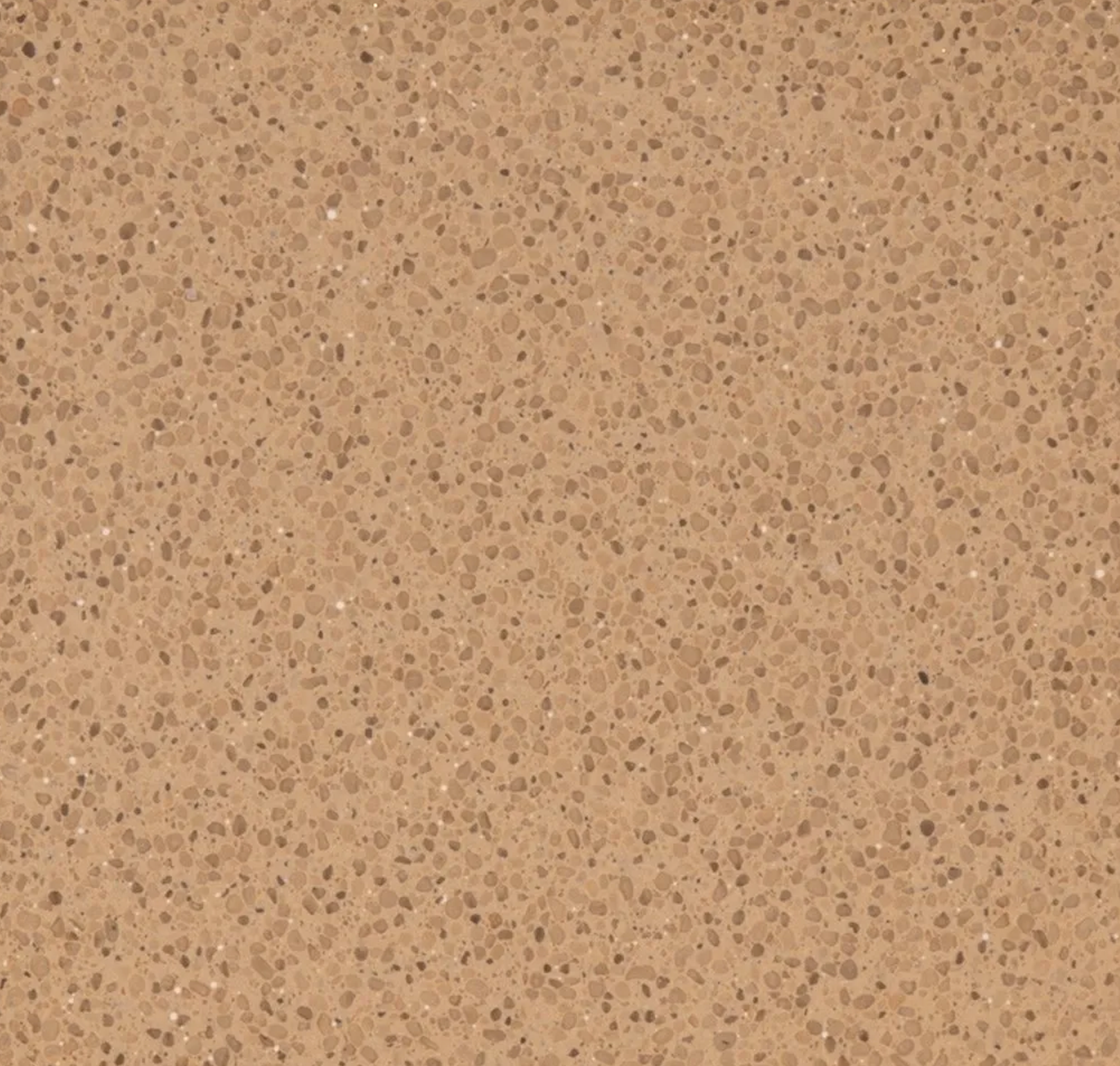
Final Kit Design
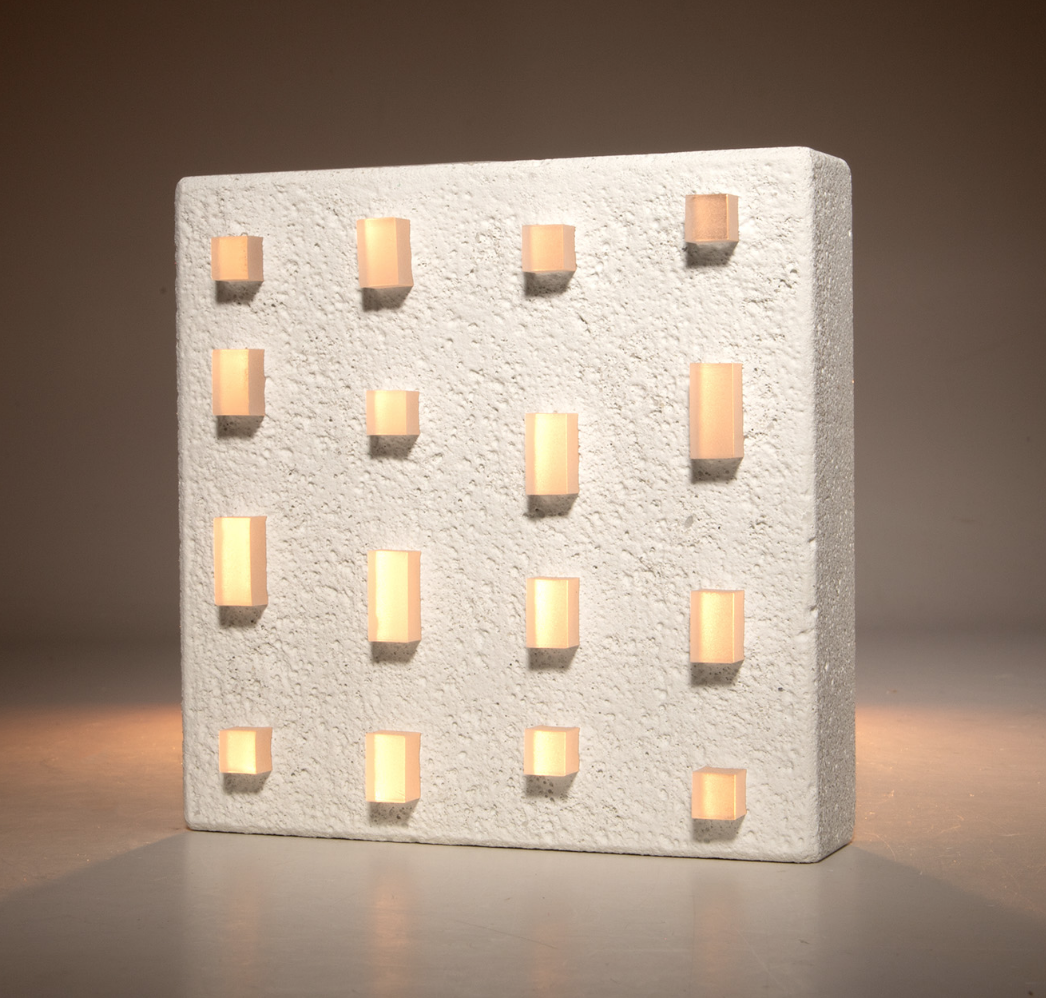


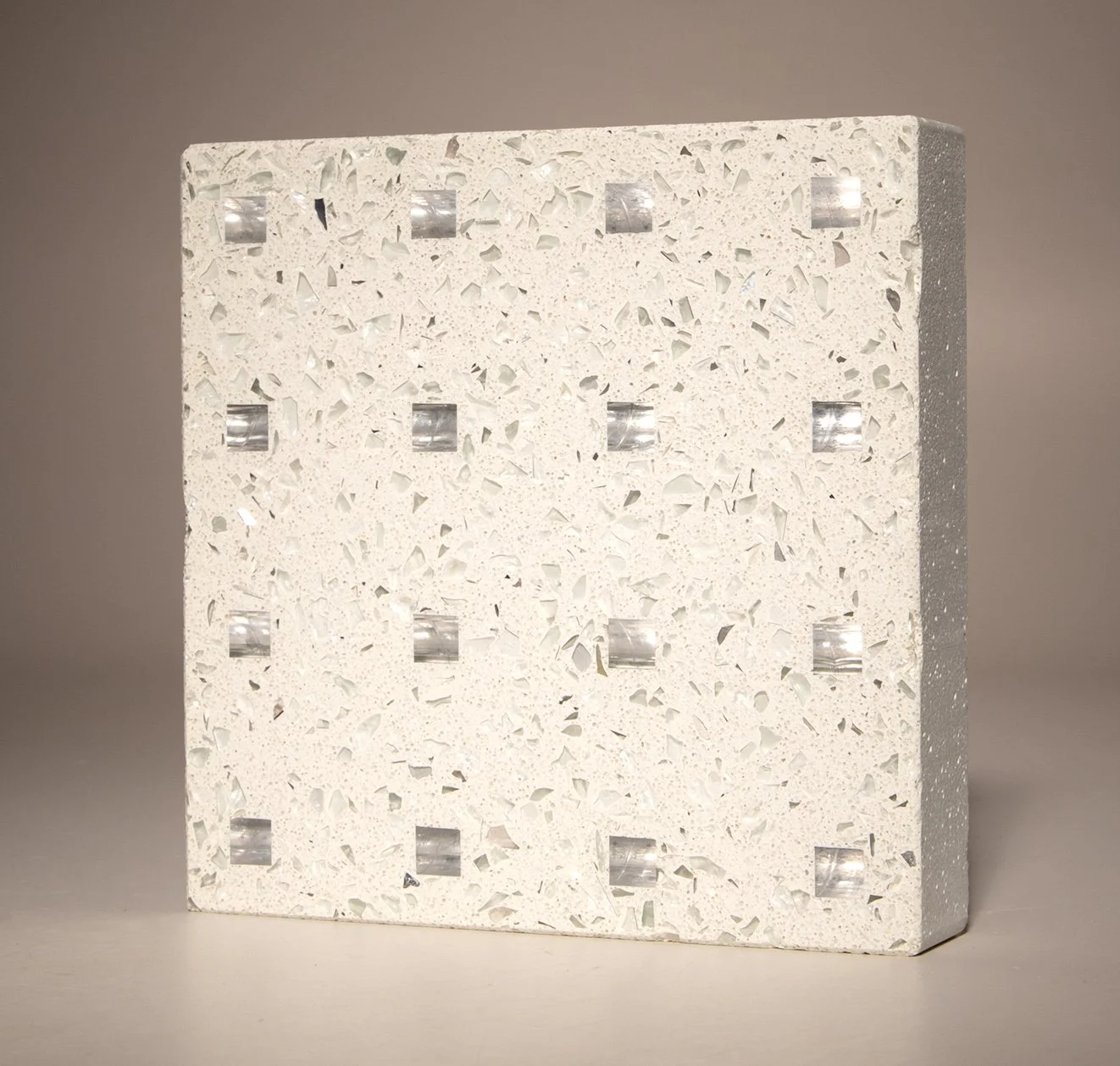
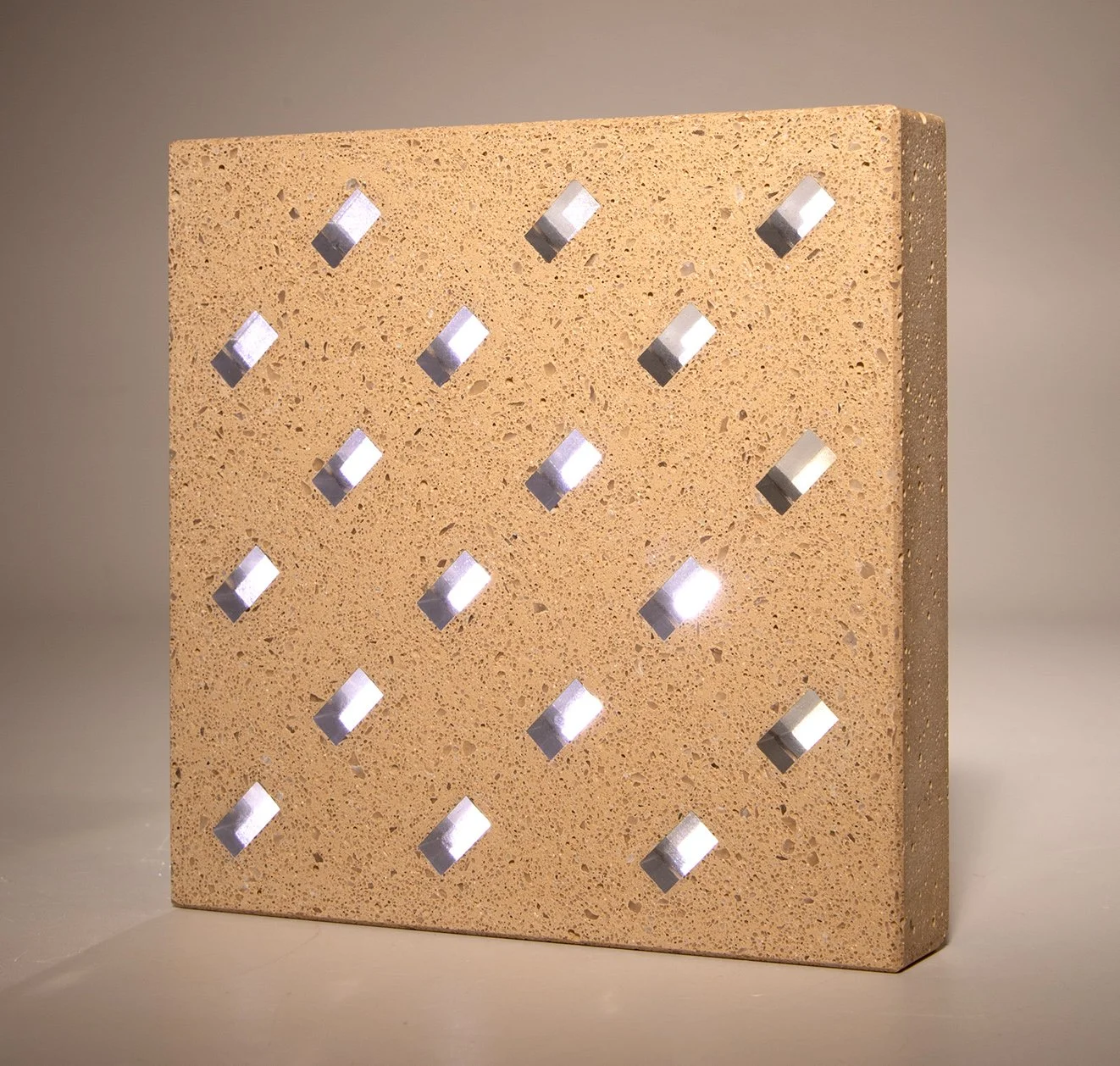
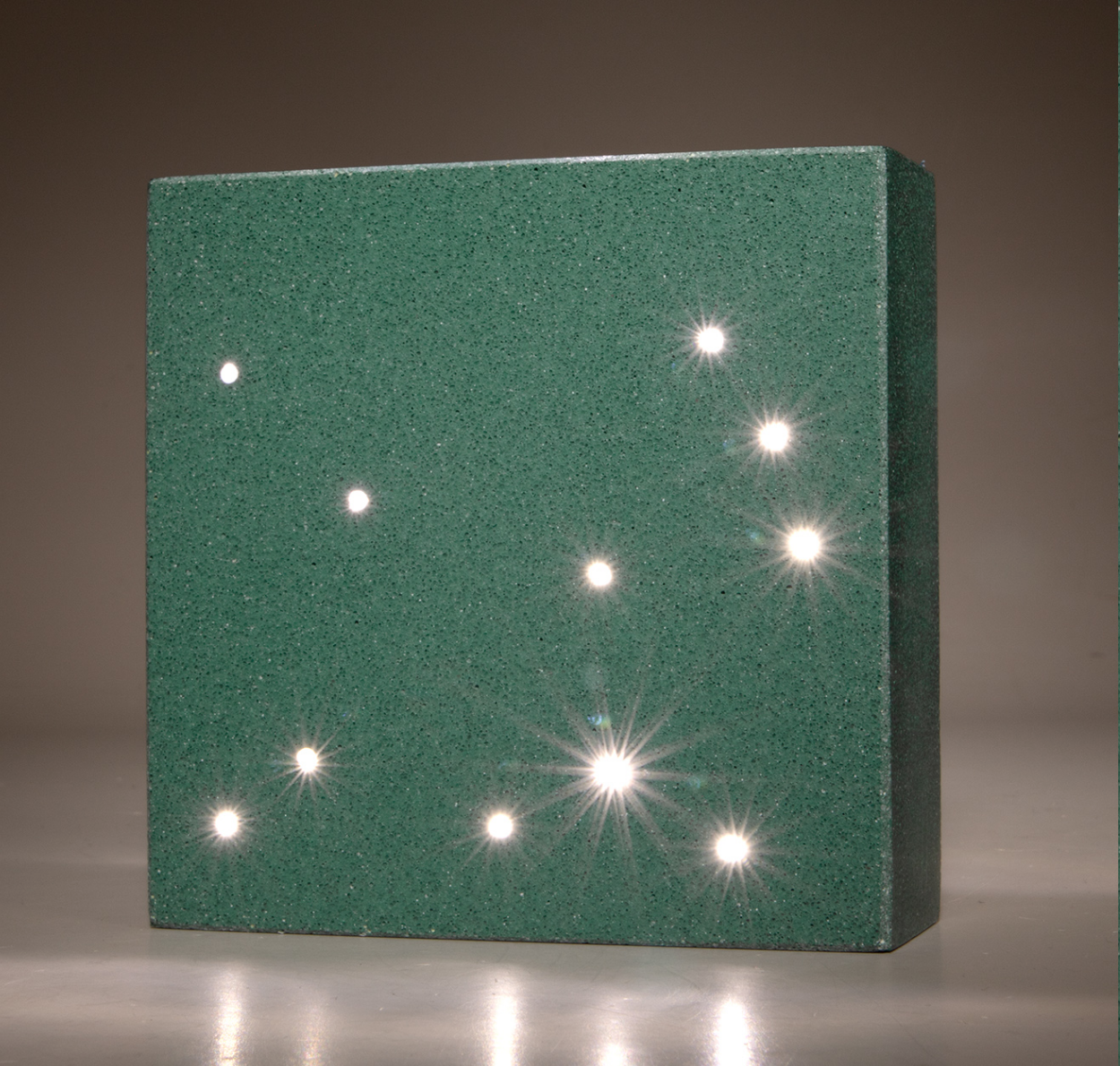
Impact
The new samples could be processed in <50% time, while 95% of excess terrazzo from large slab pours could be repurposed into available sample molds. Beyond efficiency, the samples were a hit with Sensitile’s clients and became a key marketing tool. They’re now featured prominently on the company’s website and on MaterialBank.com, the leading platform for architects and designers to discover and order materials.
Next Steps
Later work with Sensitile included designing a second sample kit specifically to launch additions to their Terrazzo PIXA material.
At the same time, I conducted material research that enabled two new products: the PIXA Concrete Platter and PIXA Screen.